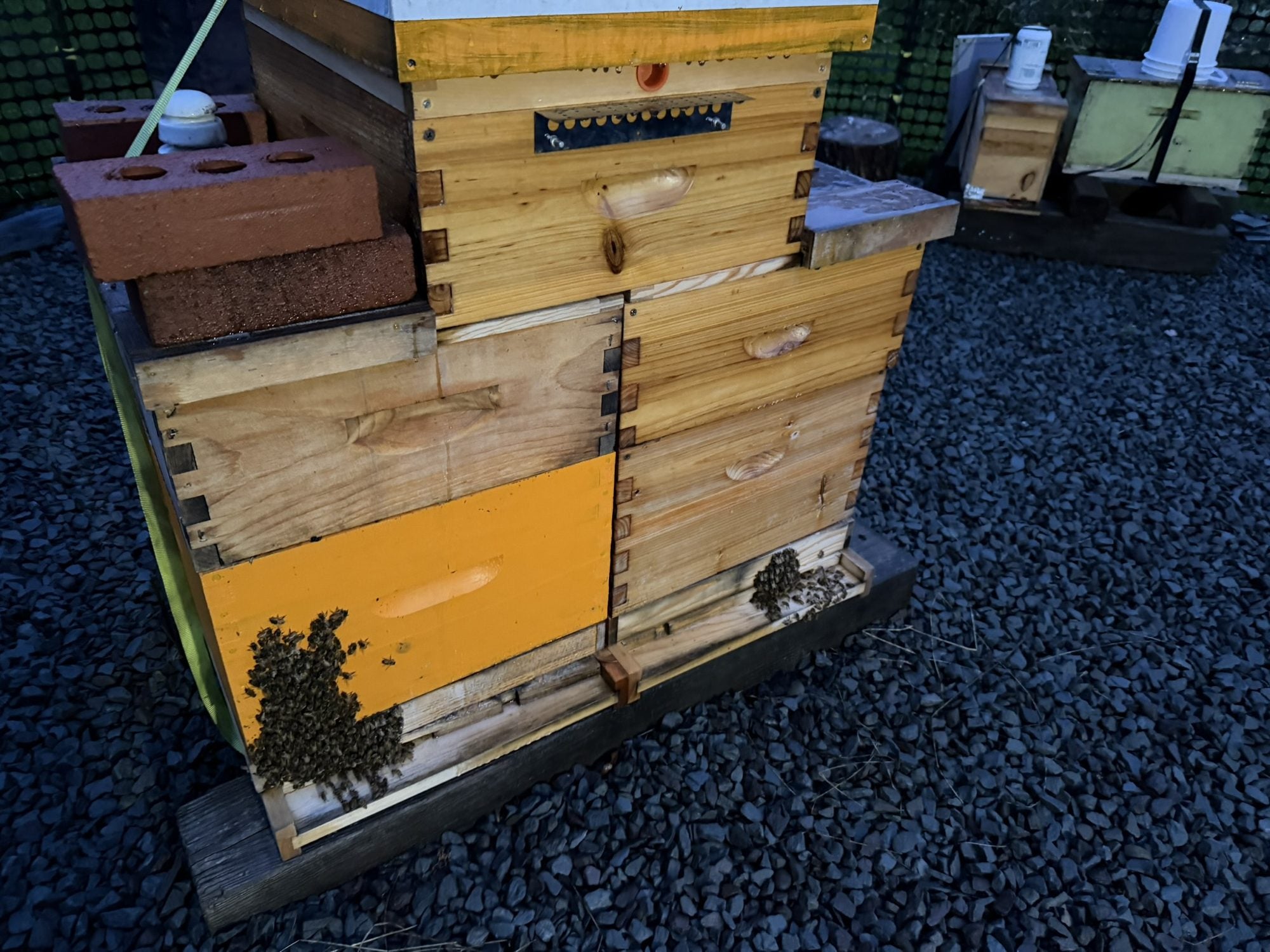
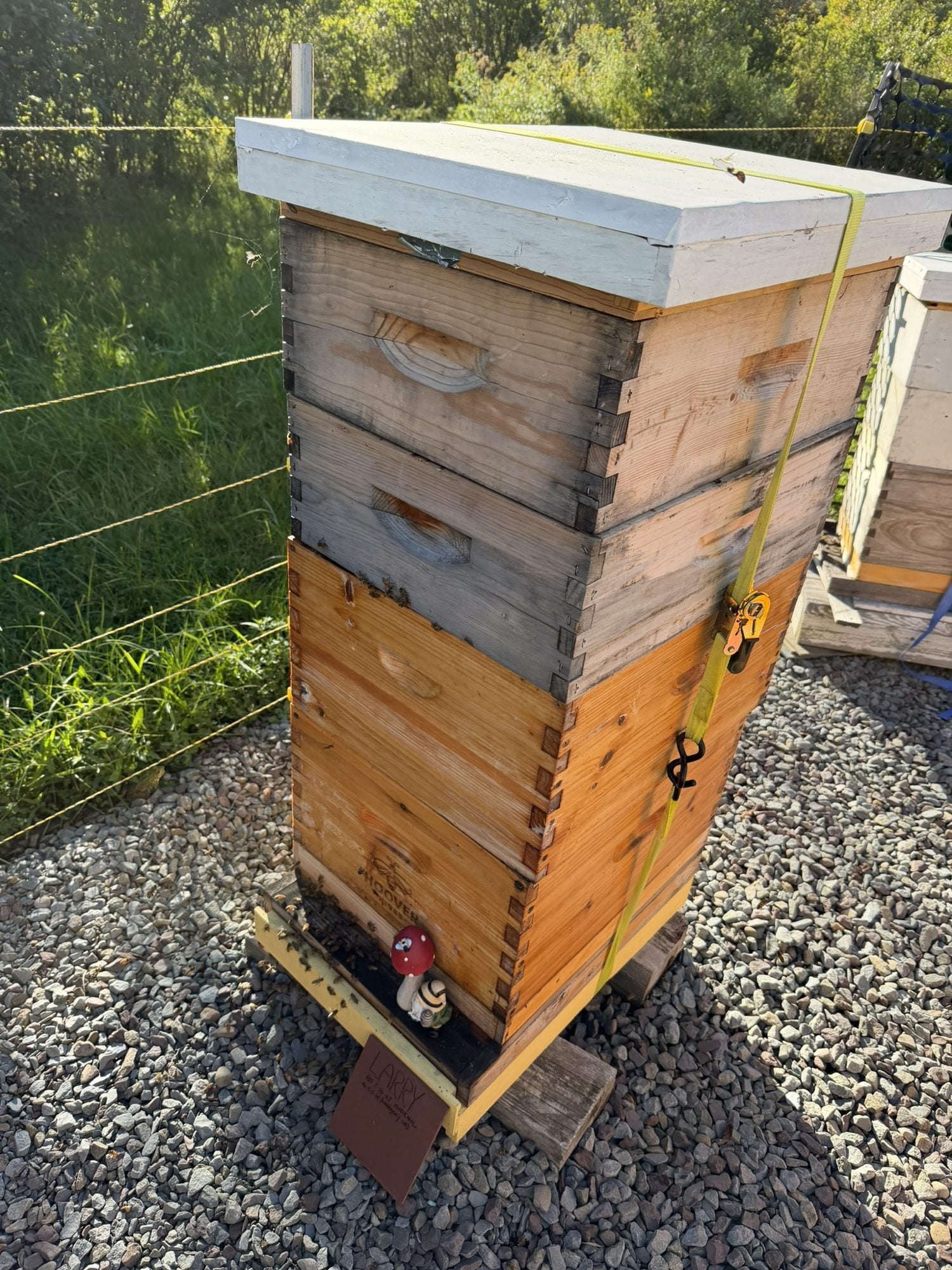
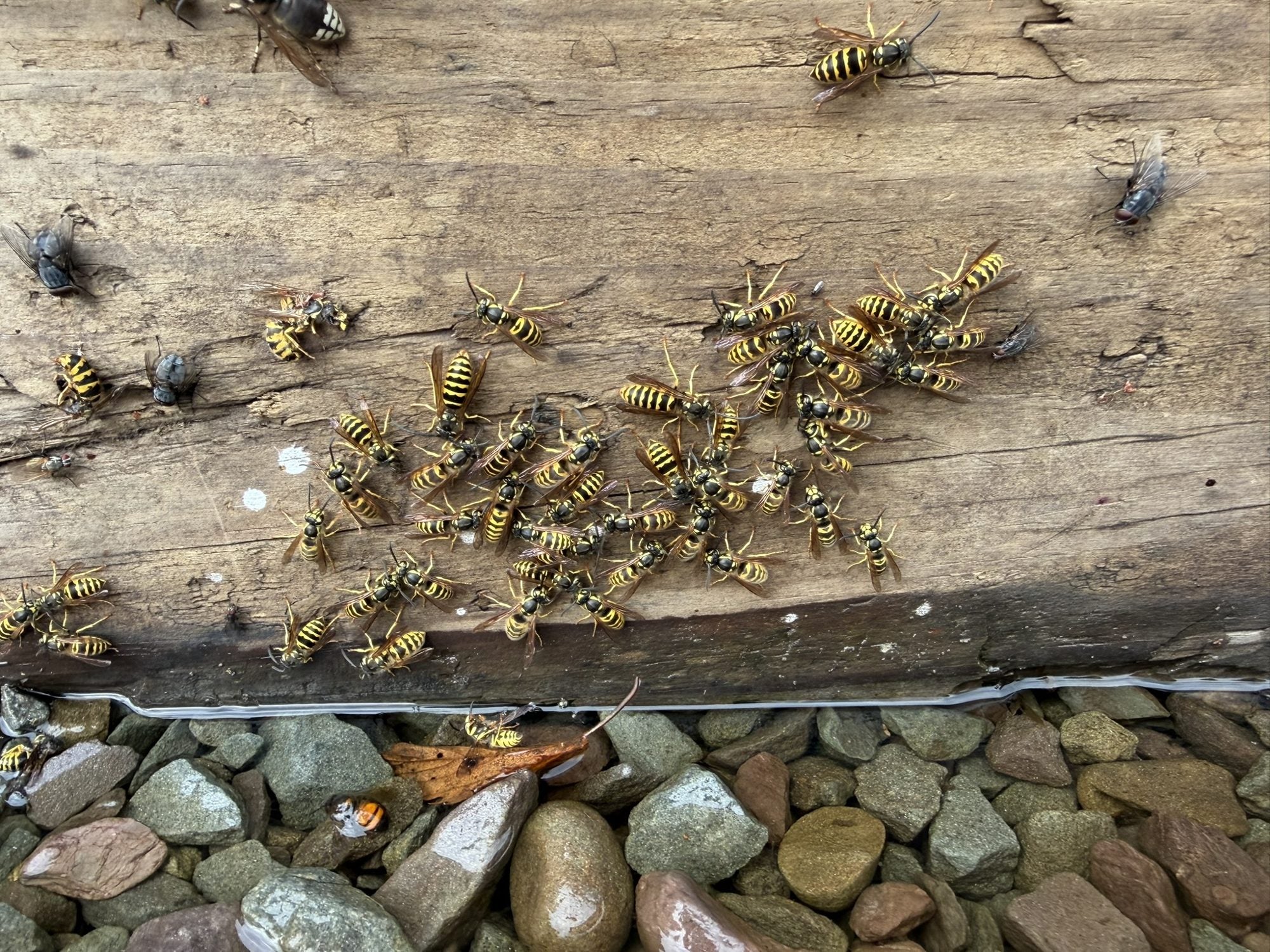
In under two years I went from reading a German bee book to keeping 26 colonies, raising my own queens and selling honey from our licensed honey house in South Gibson, Pennsylvania. This is how it happened.
Winter 2024
A book from Germany
It started with a gift. A family member in Germany sent me Das Bienen Buch, and I was hooked from the first pages, enough to order the English edition so I could take in every detail. By the end of that winter I wasn’t wondering whether to keep bees. I was planning where they would go.
April 2025
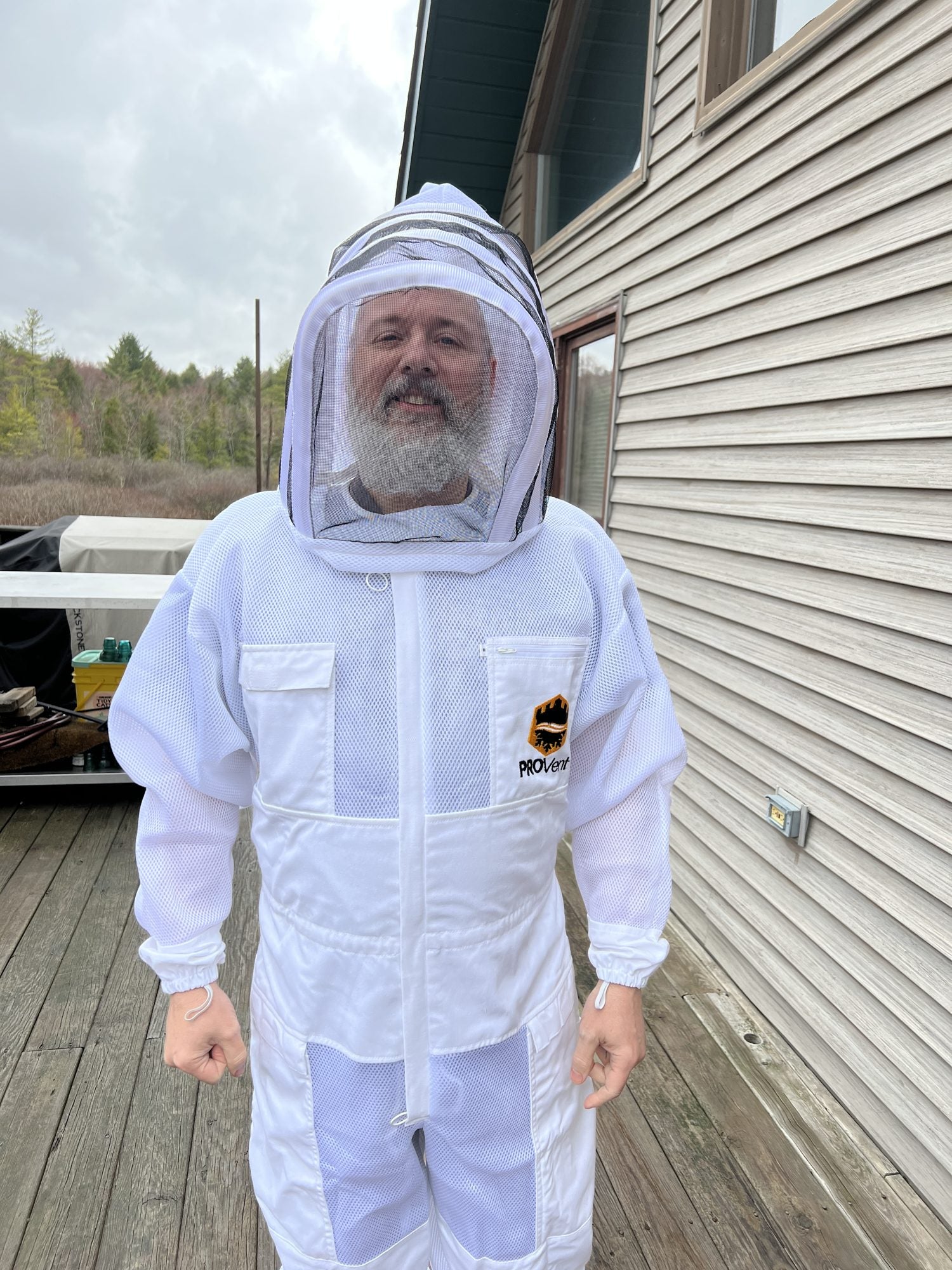
Building the yard
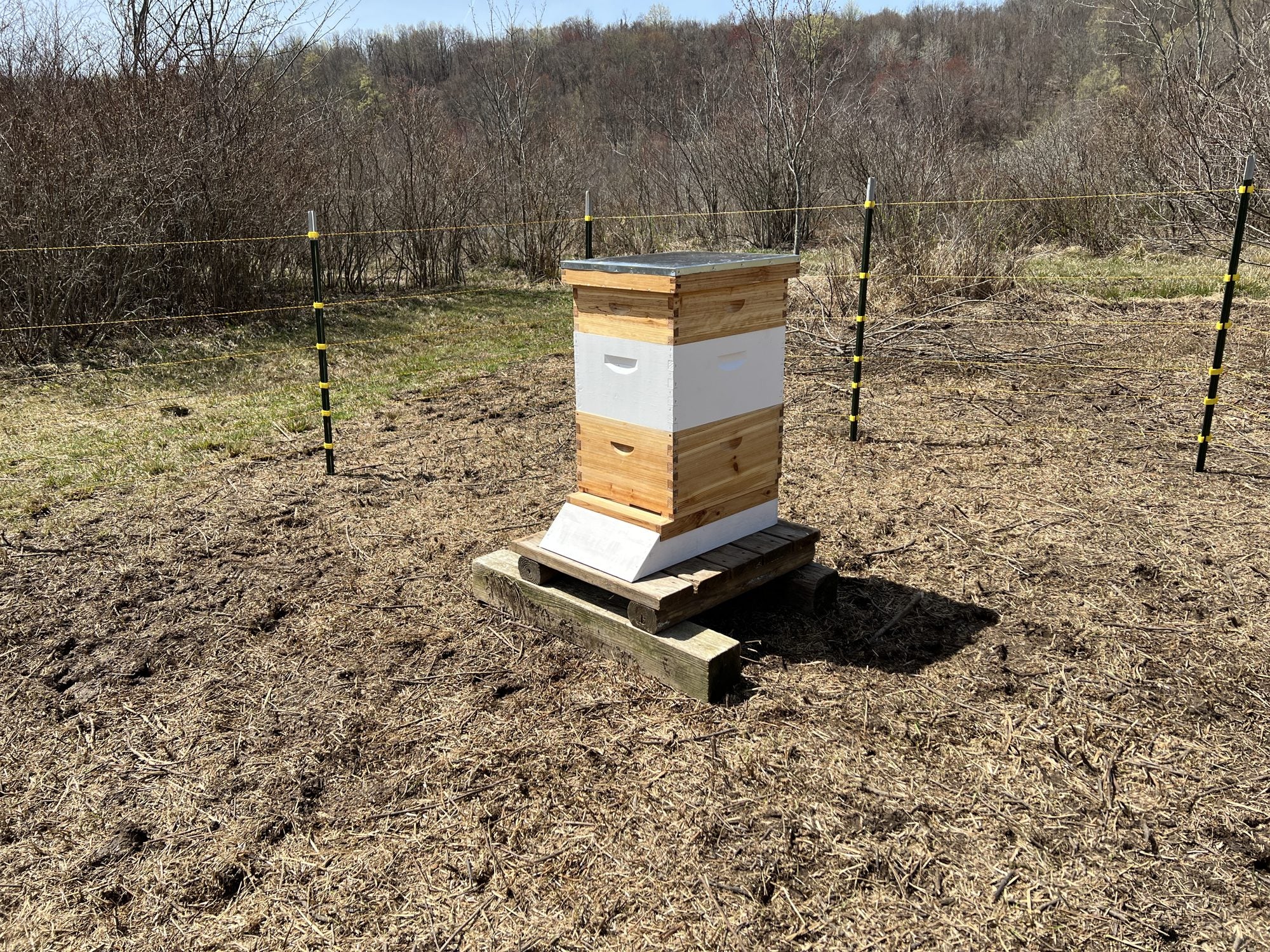
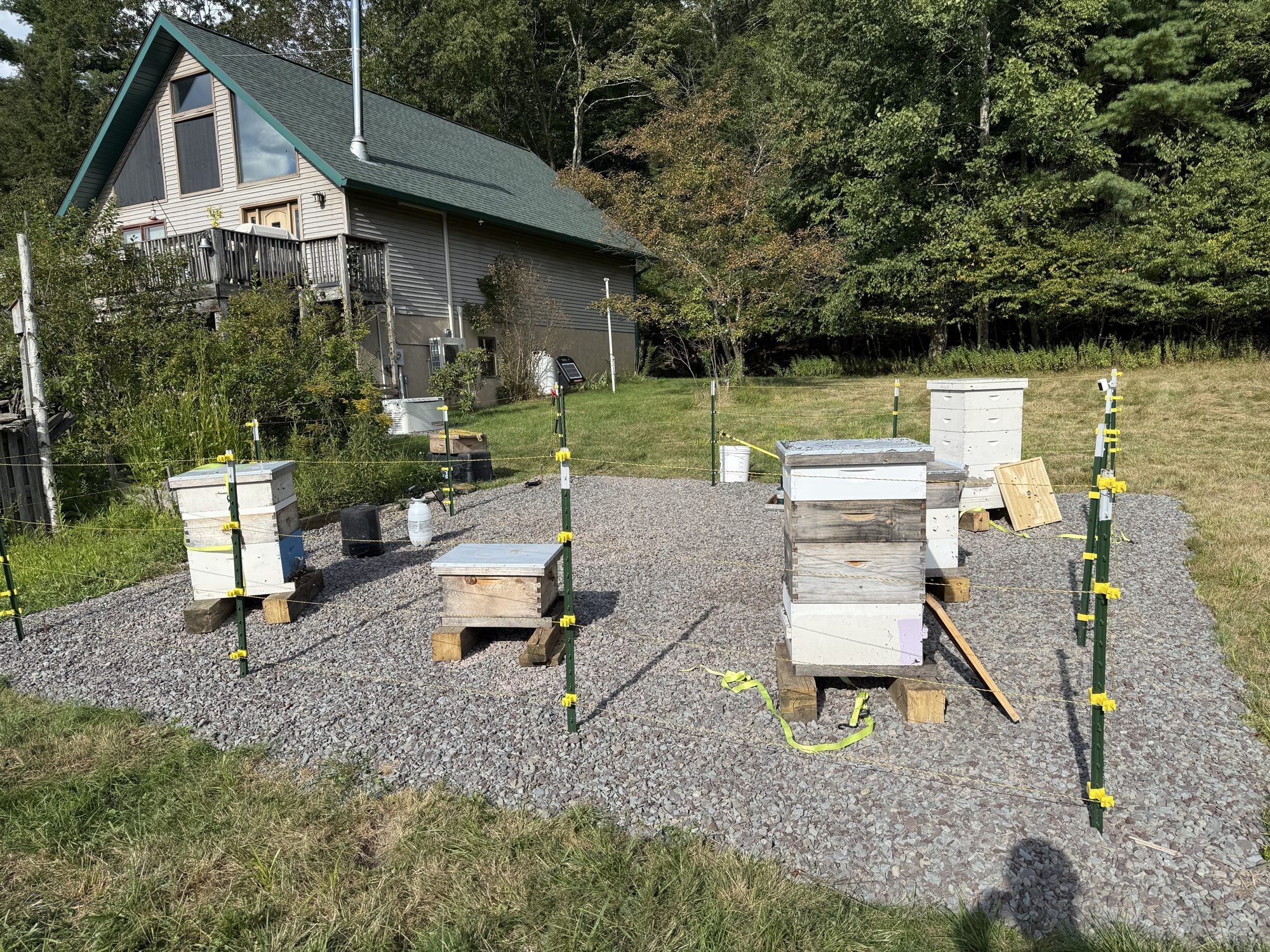
Here in the Endless Mountains, keeping bees means planning for black bears, so the first yard went up inside an electric fence. We call it the Blueberry yard, after the grove of highbush blueberries that surrounds it in the wetland part of our property.
May 2025
First colonies, and bee math
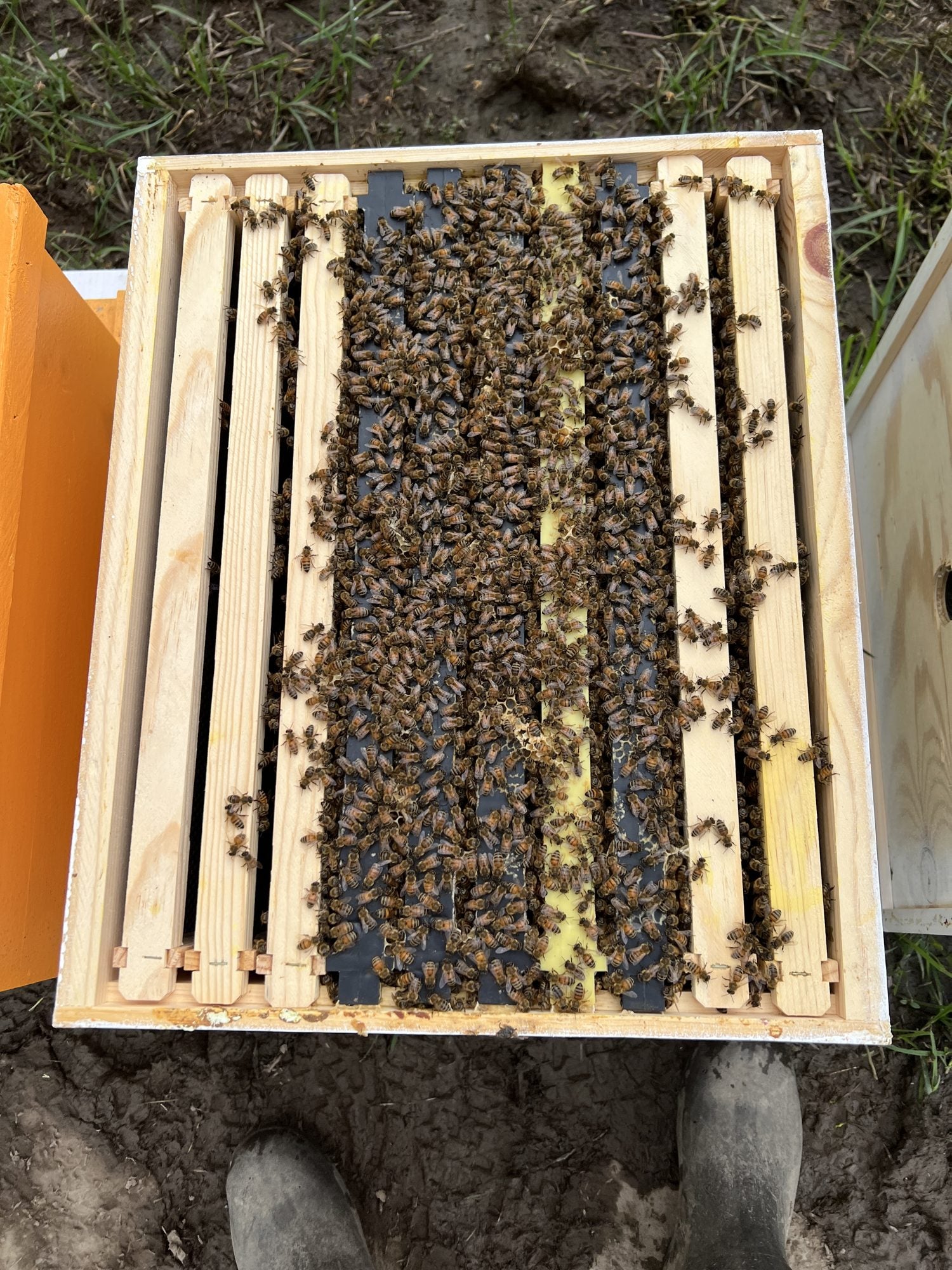
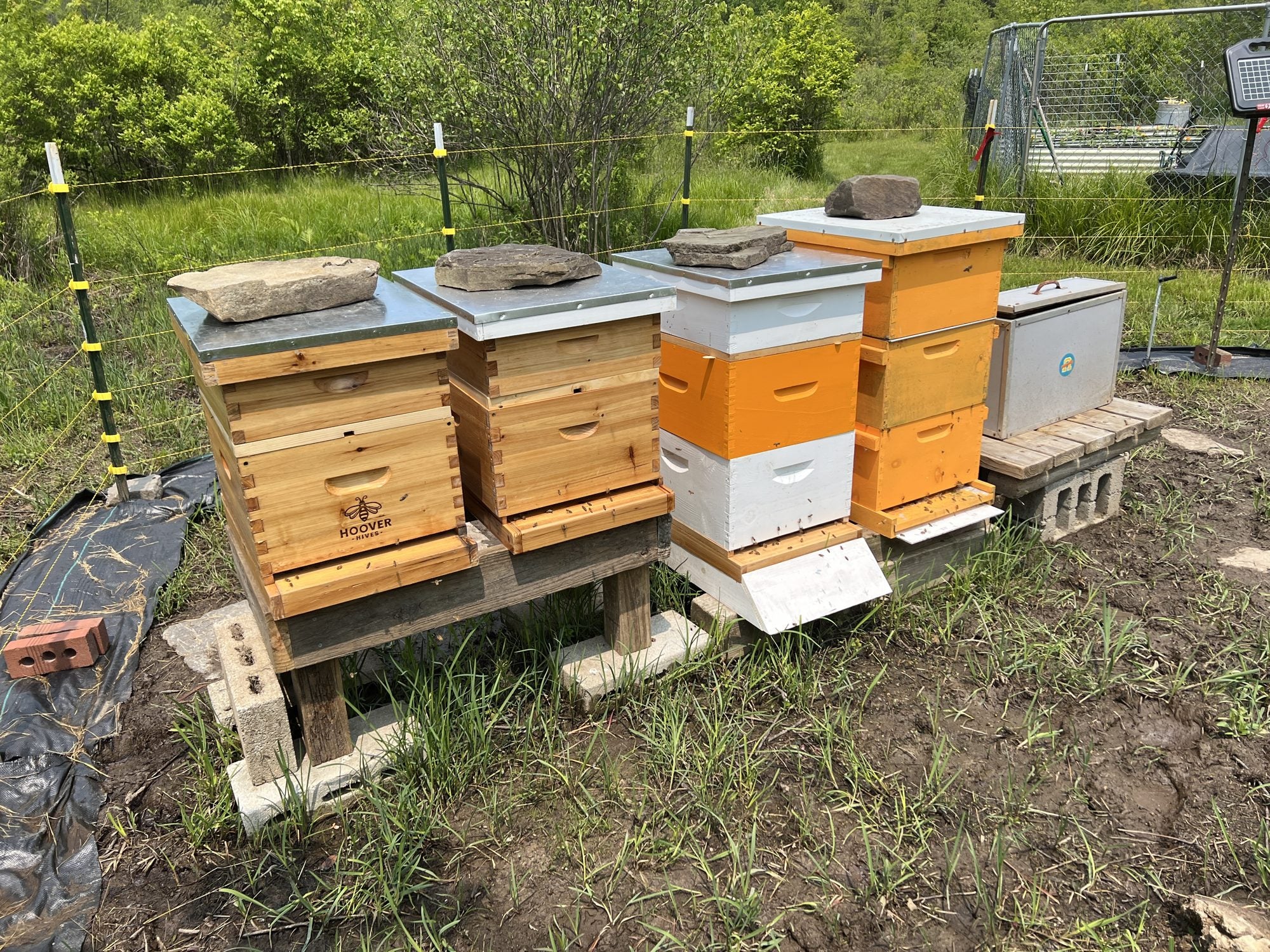
My first colony went in on May 3, 2025, and two nucs followed a week later. The plan was one or two hives. Then came the splits, the swarms and the nucs. Beekeepers call it bee math: you start with two hives and somehow end up with six.
Summer 2025
A first year of hard lessons
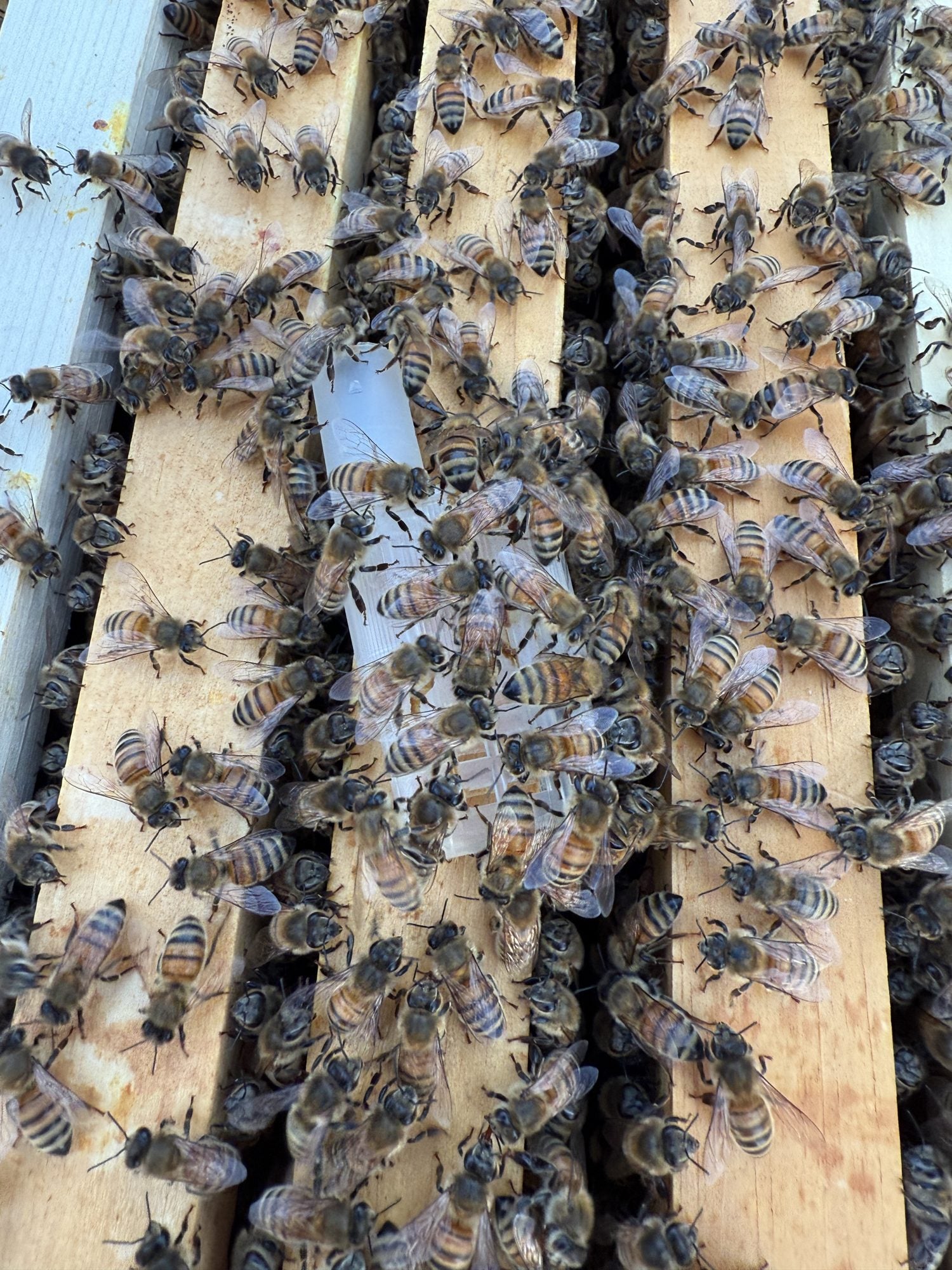
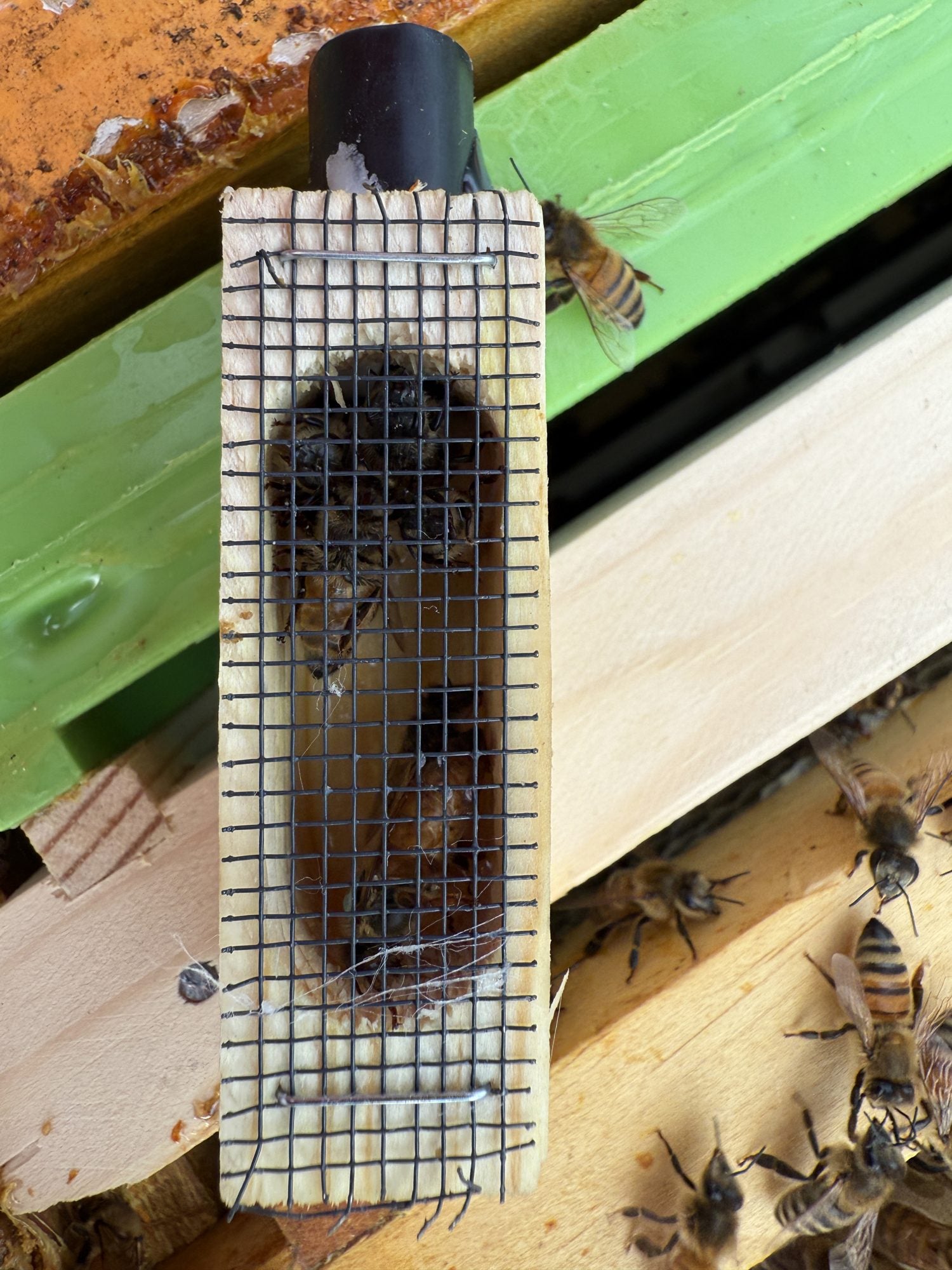
The first season threw nearly every classic problem at me: a mite treatment that went wrong, queen losses, swarms, small hive beetles and wax moths. I caught my first swarm from one of my own hives that August, and rescued another from an apple tree near Chapman Lake.
Summer 2025
A classmate’s bees get a second life
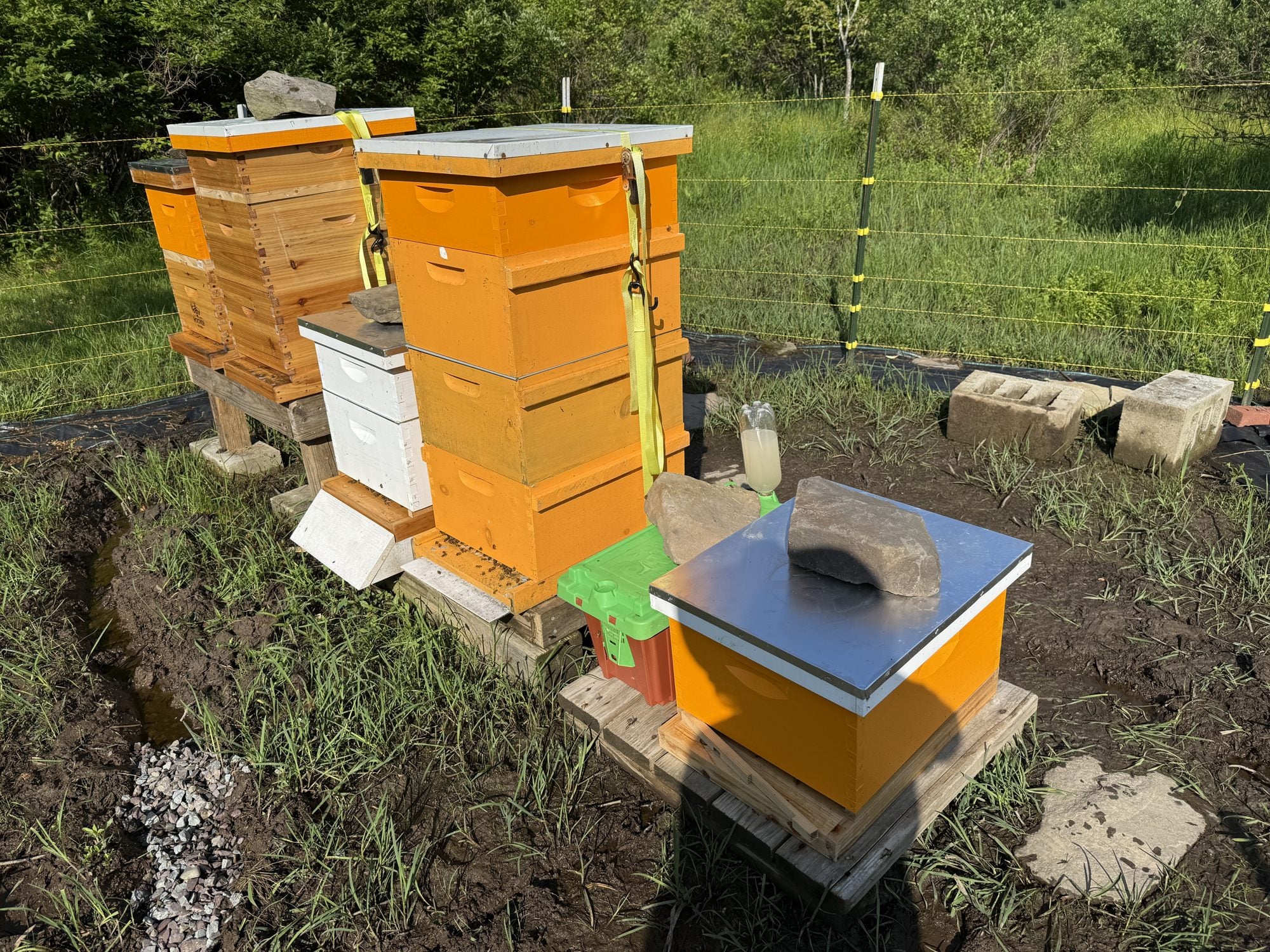
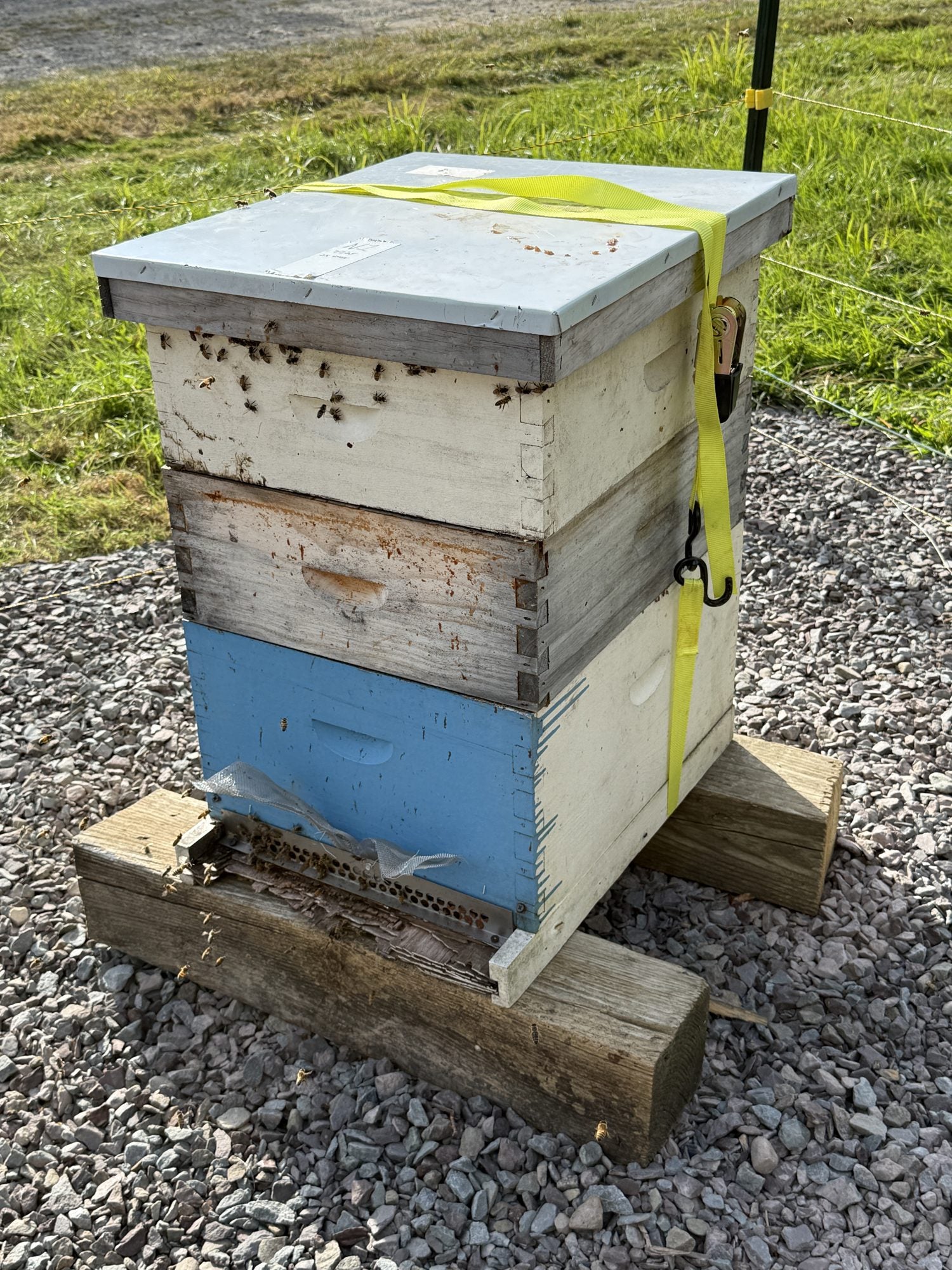
A high school classmate had to give up beekeeping after an injury. I bought his bees and equipment and promised to give both a new life, and built a second yard to keep that promise: the Boneyard.
2025
First honey
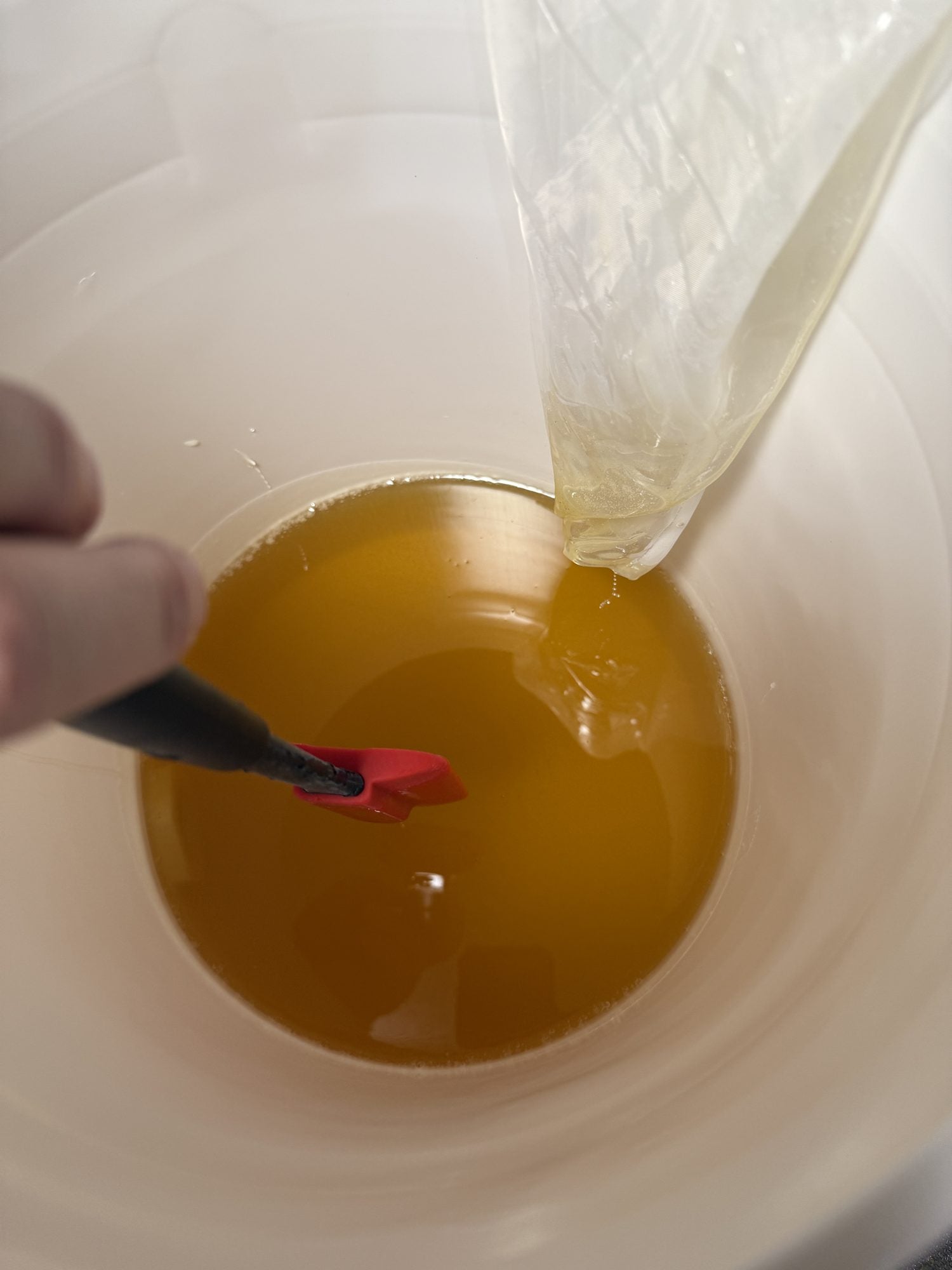
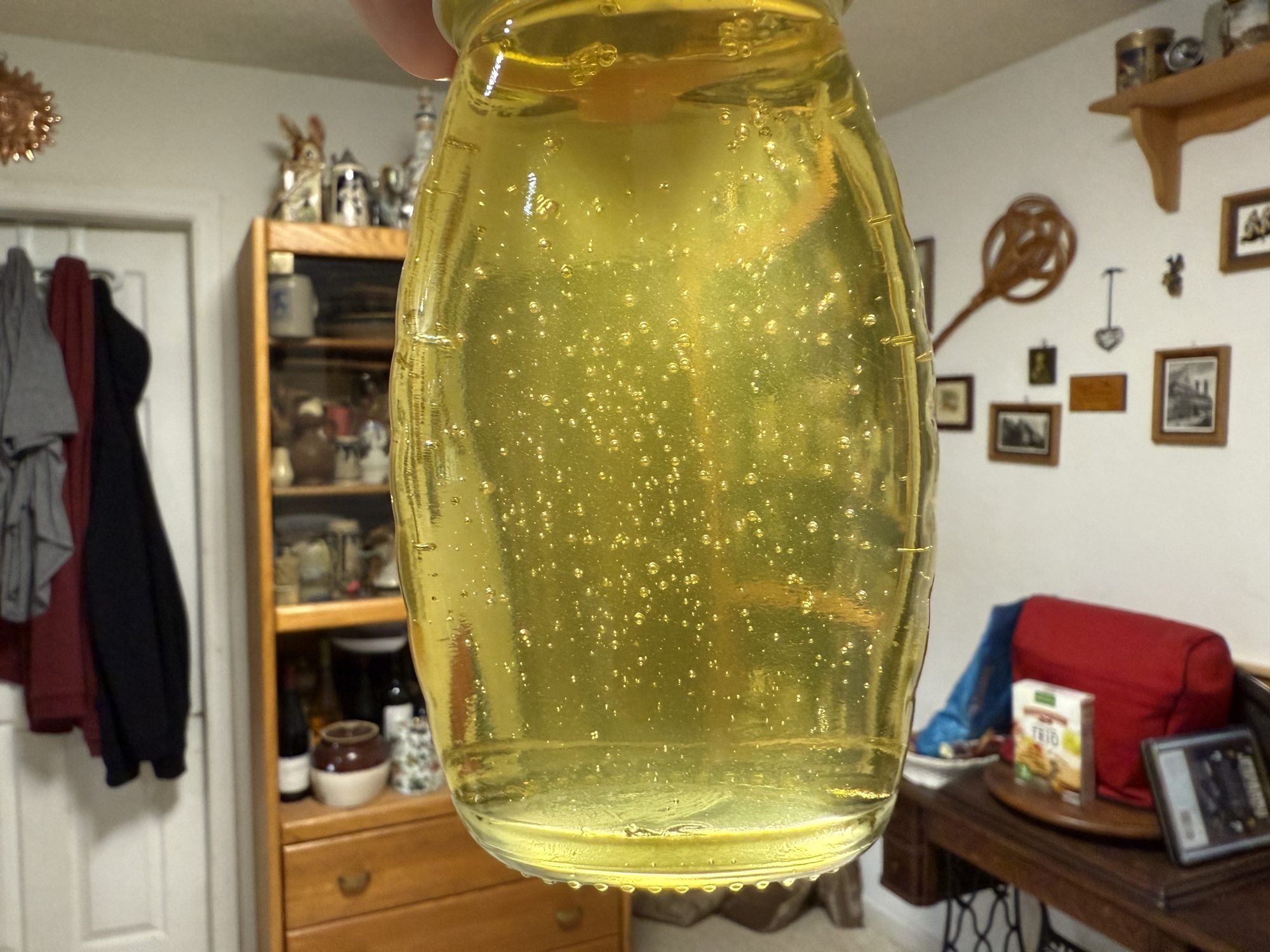
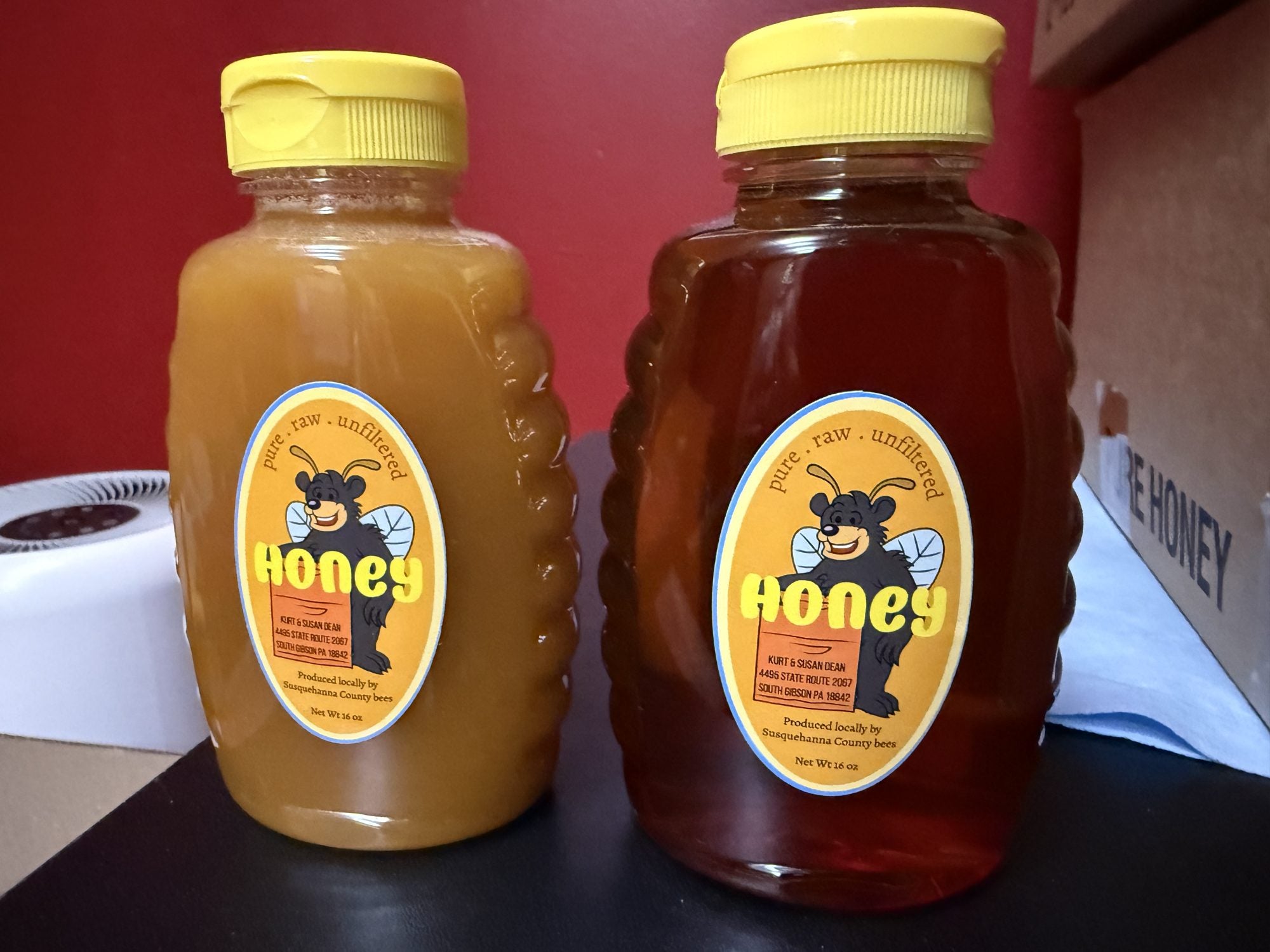
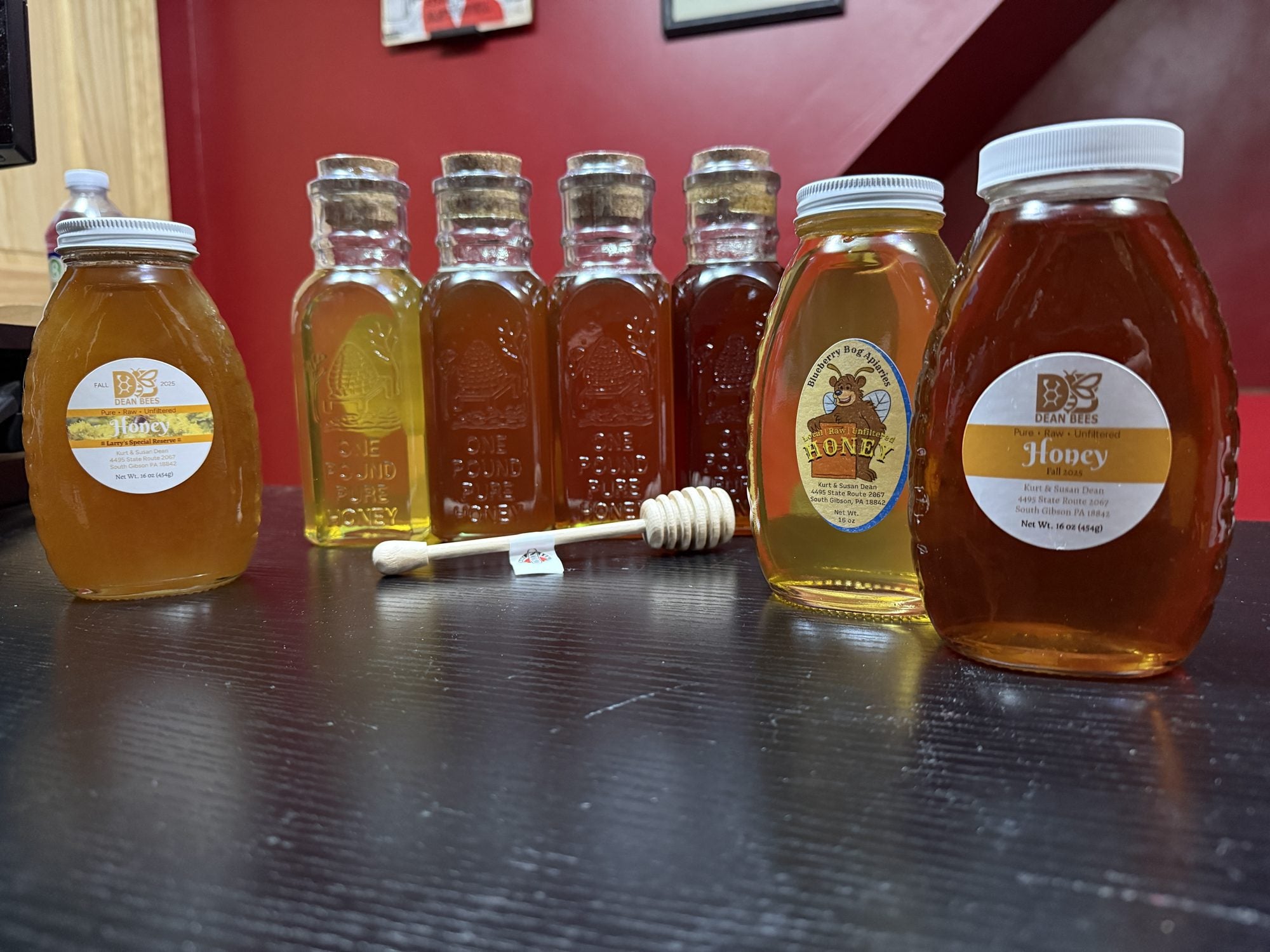
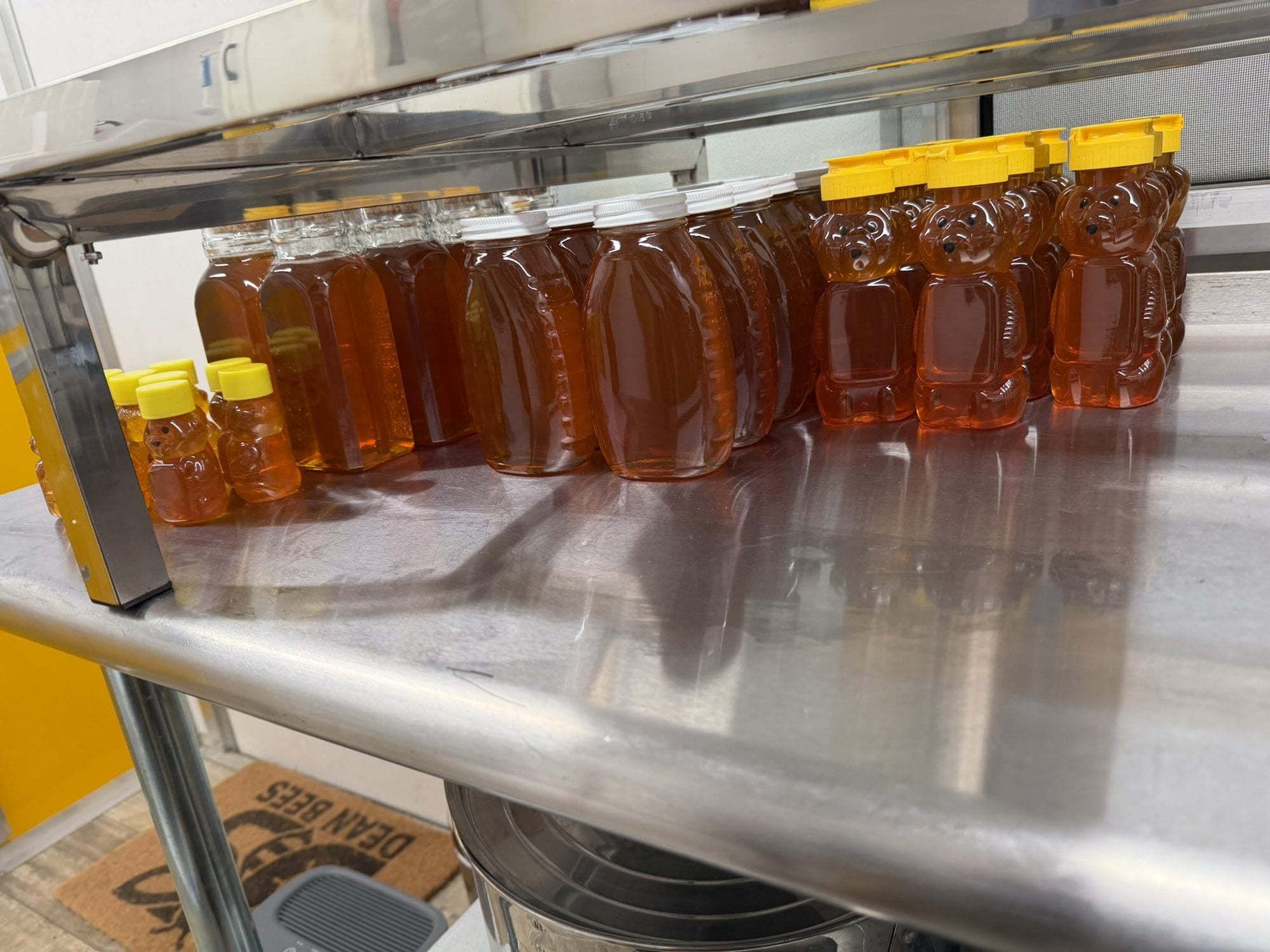
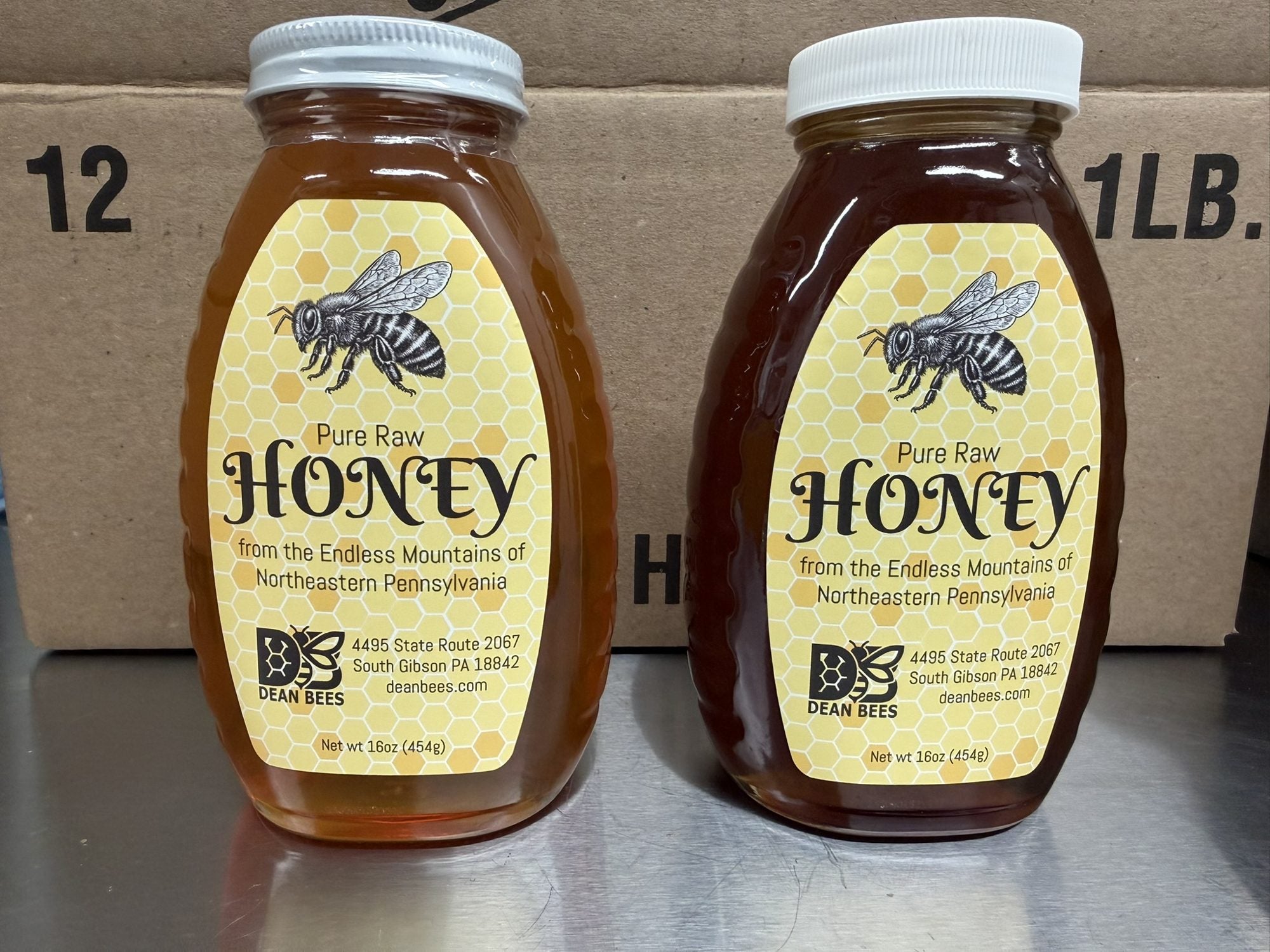
I harvested a little at a time that first year, which gave me four distinct honeys, from a very light spring honey to a dark goldenrod and knotweed fall honey. By the end of the season I had brought in more than 300 pounds.
2025–2026
Learning from the best
I went where the experienced beekeepers and researchers were: the Eastern Apicultural Society conference in 2025, the Pennsylvania State Beekeepers Association fall conferences in 2025 and 2026, and the North American Honey Bee Expo in January 2026, where my honey was served at the honey bar. Along the way I learned from Bob Binnie, Randy Oliver, Robyn Underwood and Fred Dunn, among others.
Winter 2025–26
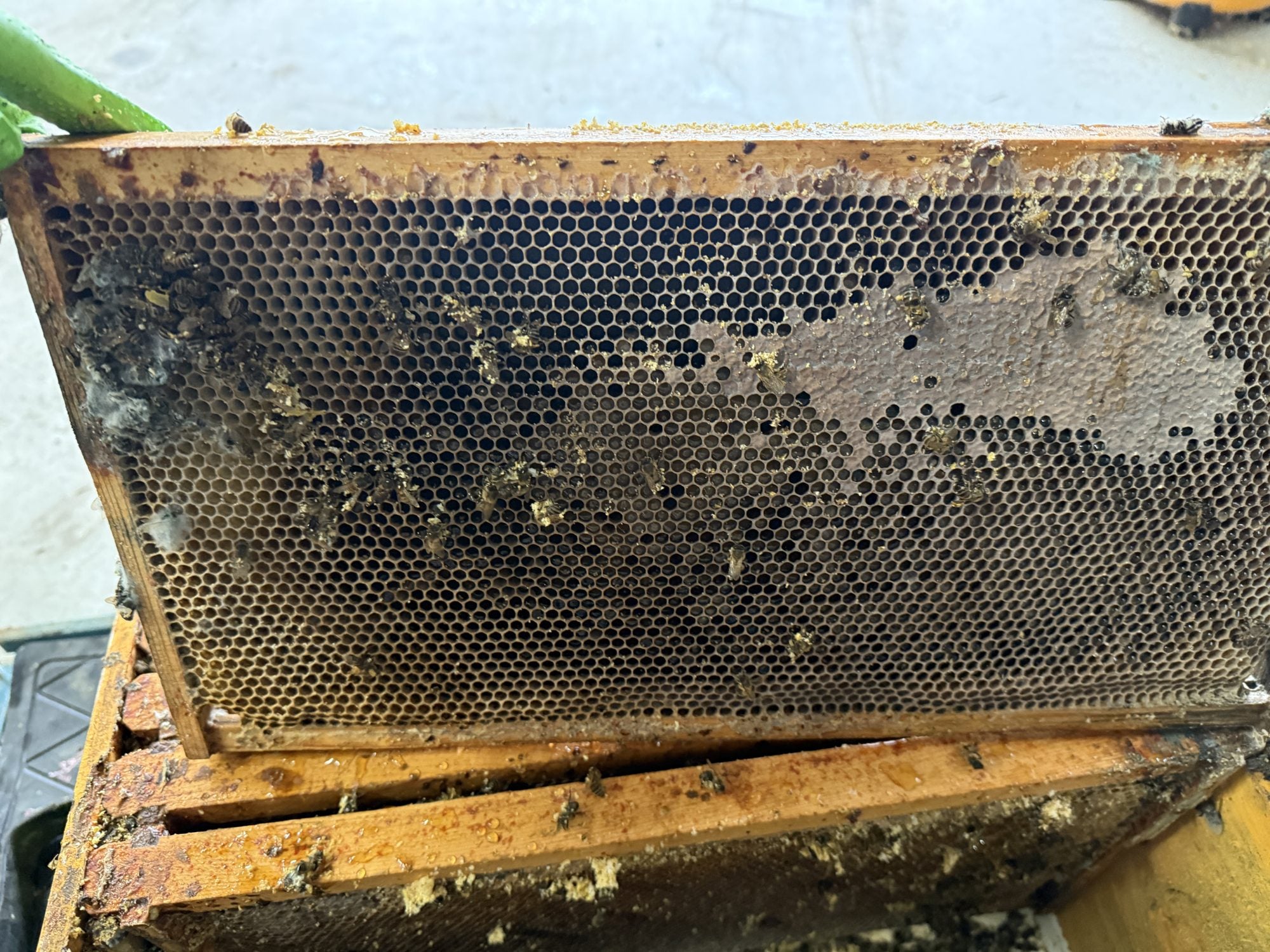
First winter: nine in, six out
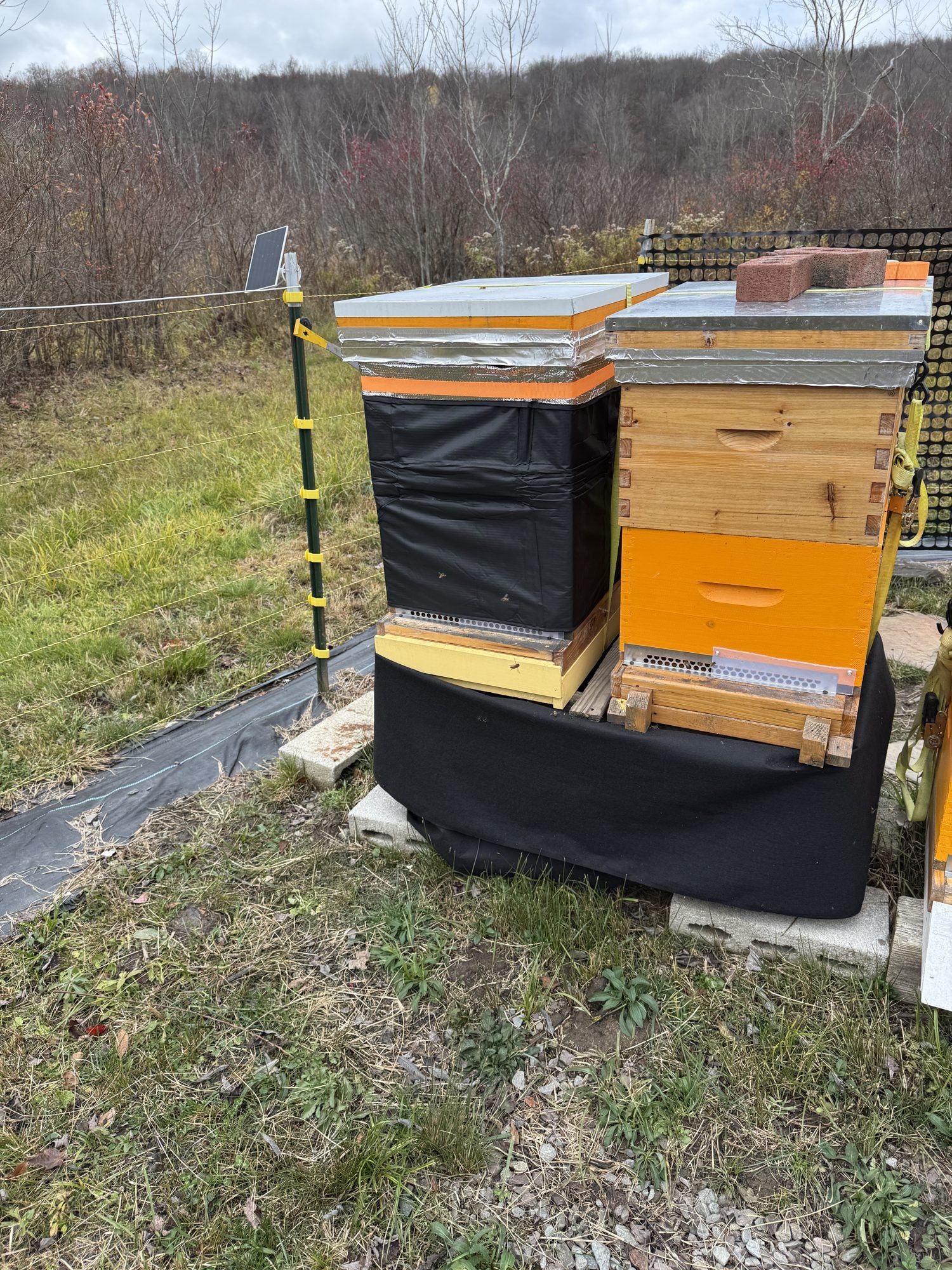
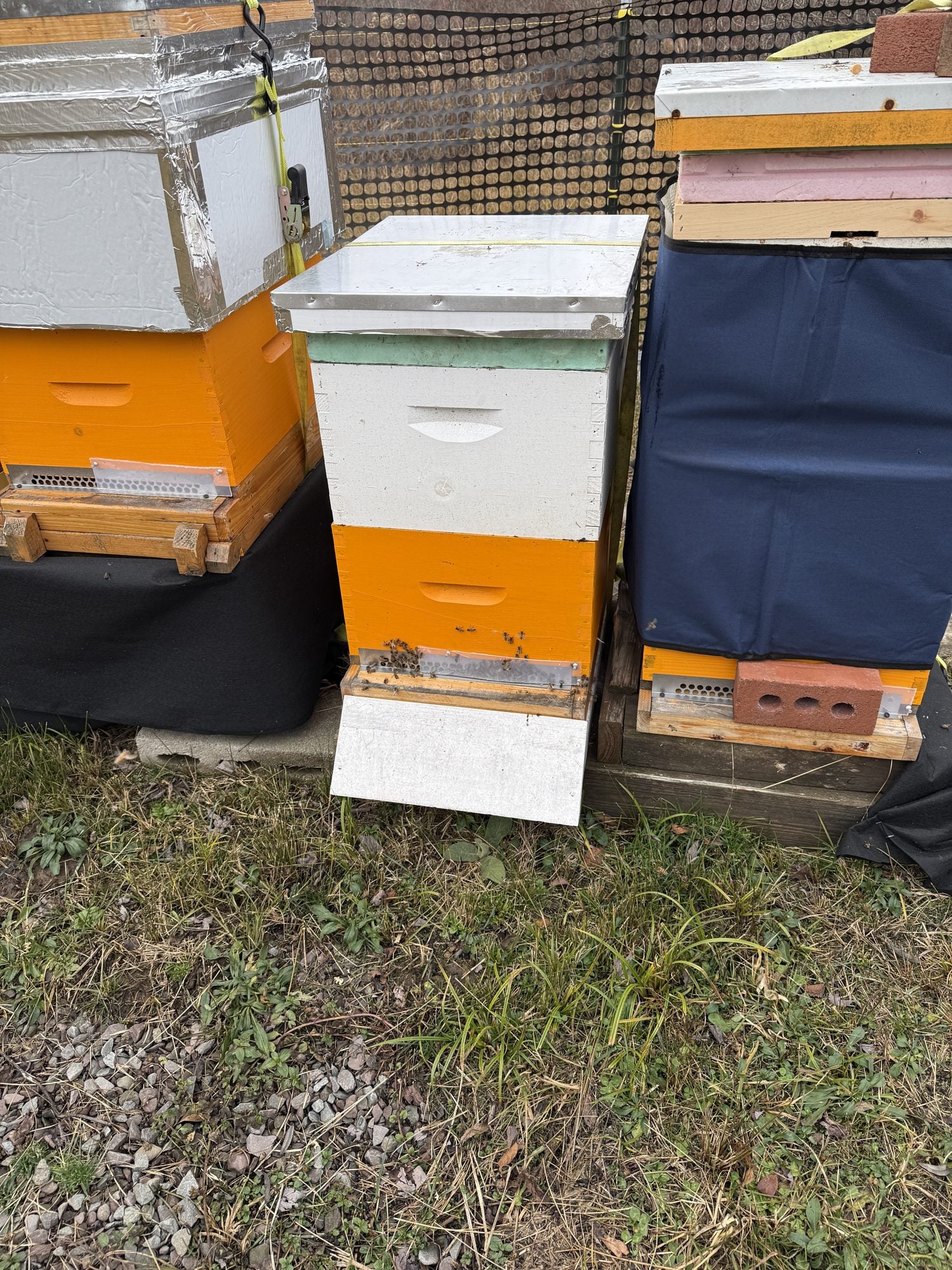
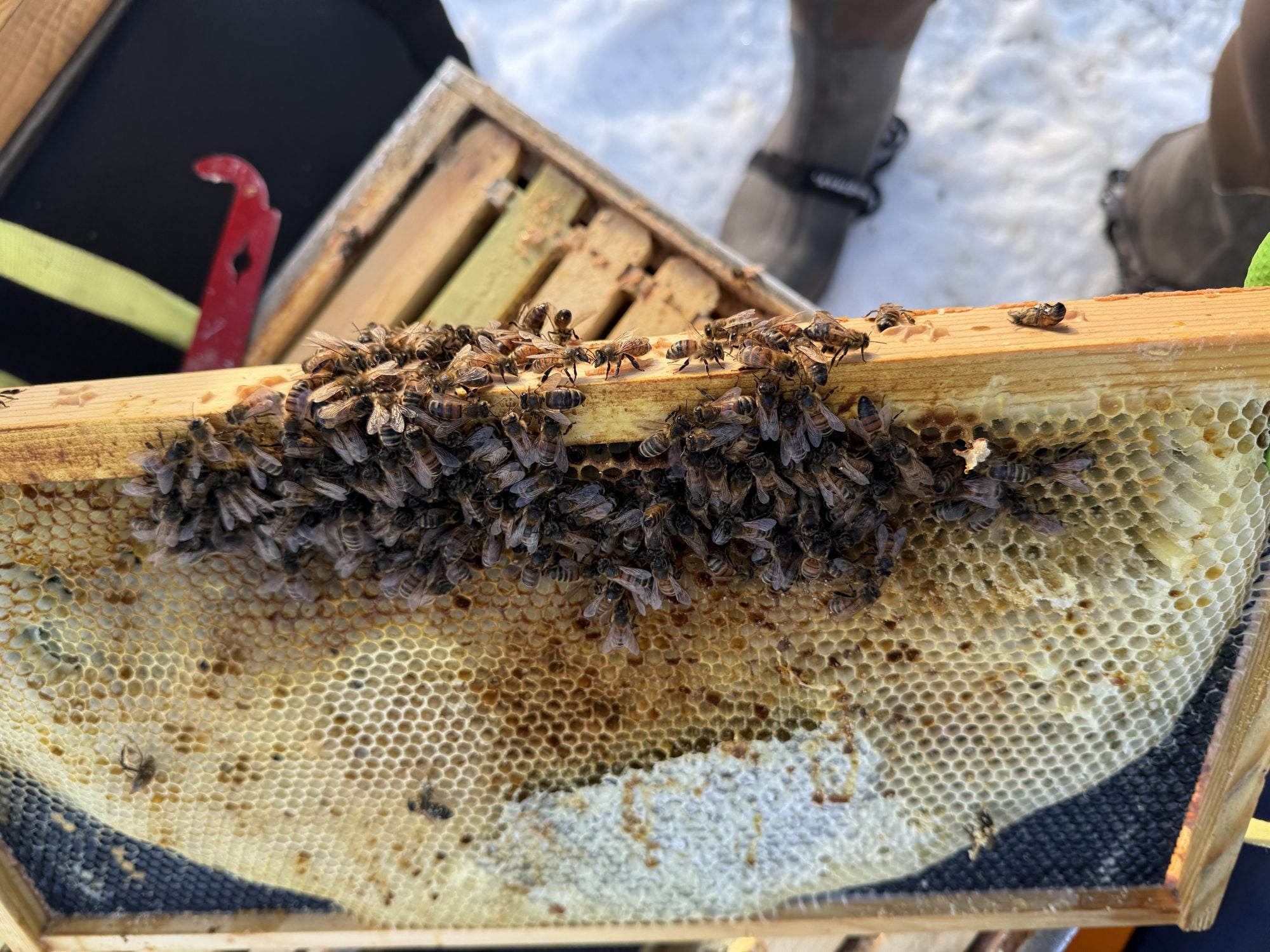
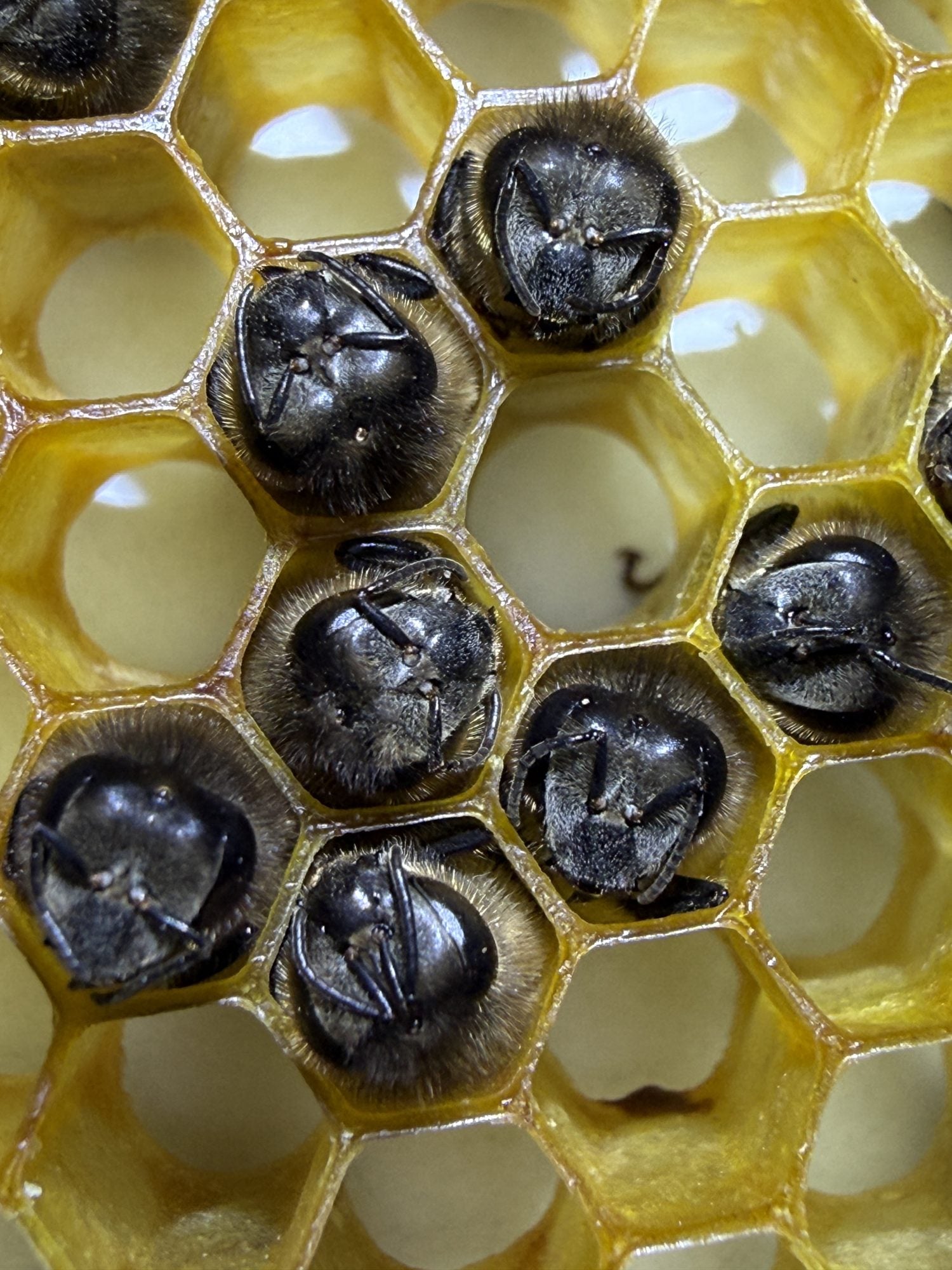
I went into my first winter with nine colonies and came out with six. Every dead-out taught me something. The biggest lesson: honey in the box isn’t enough. It has to be where the cluster can reach it.
2026
From six colonies to 26
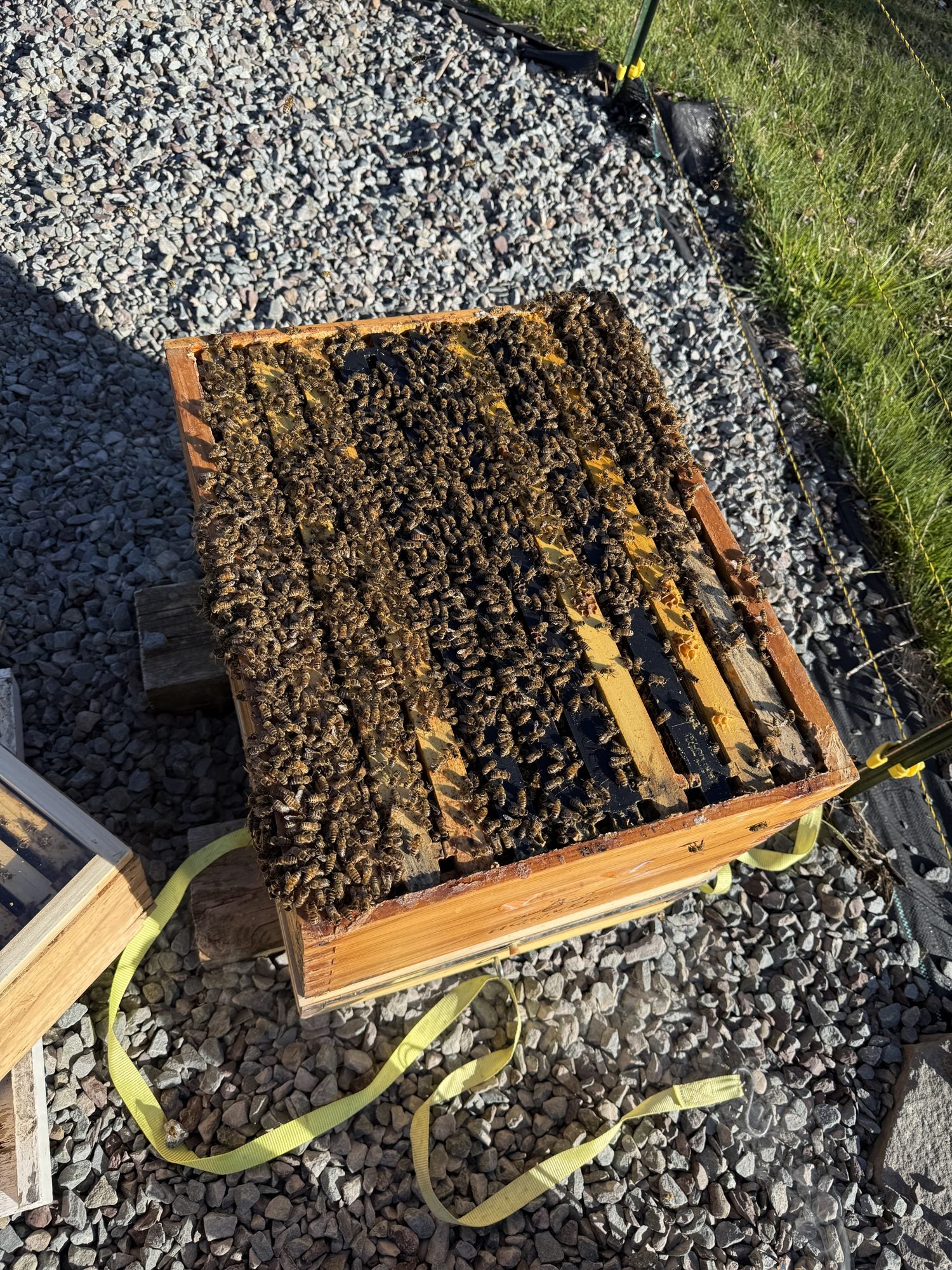
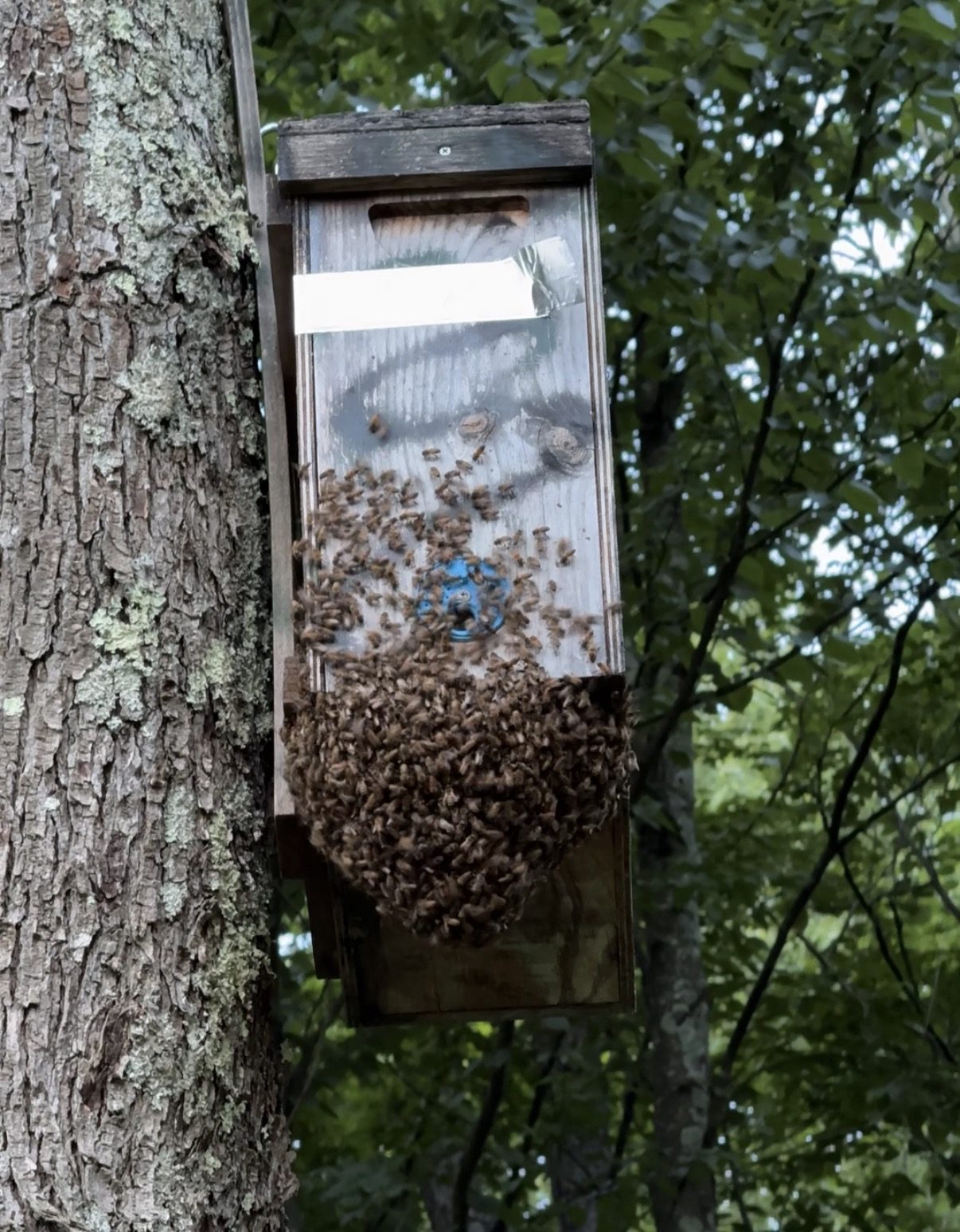
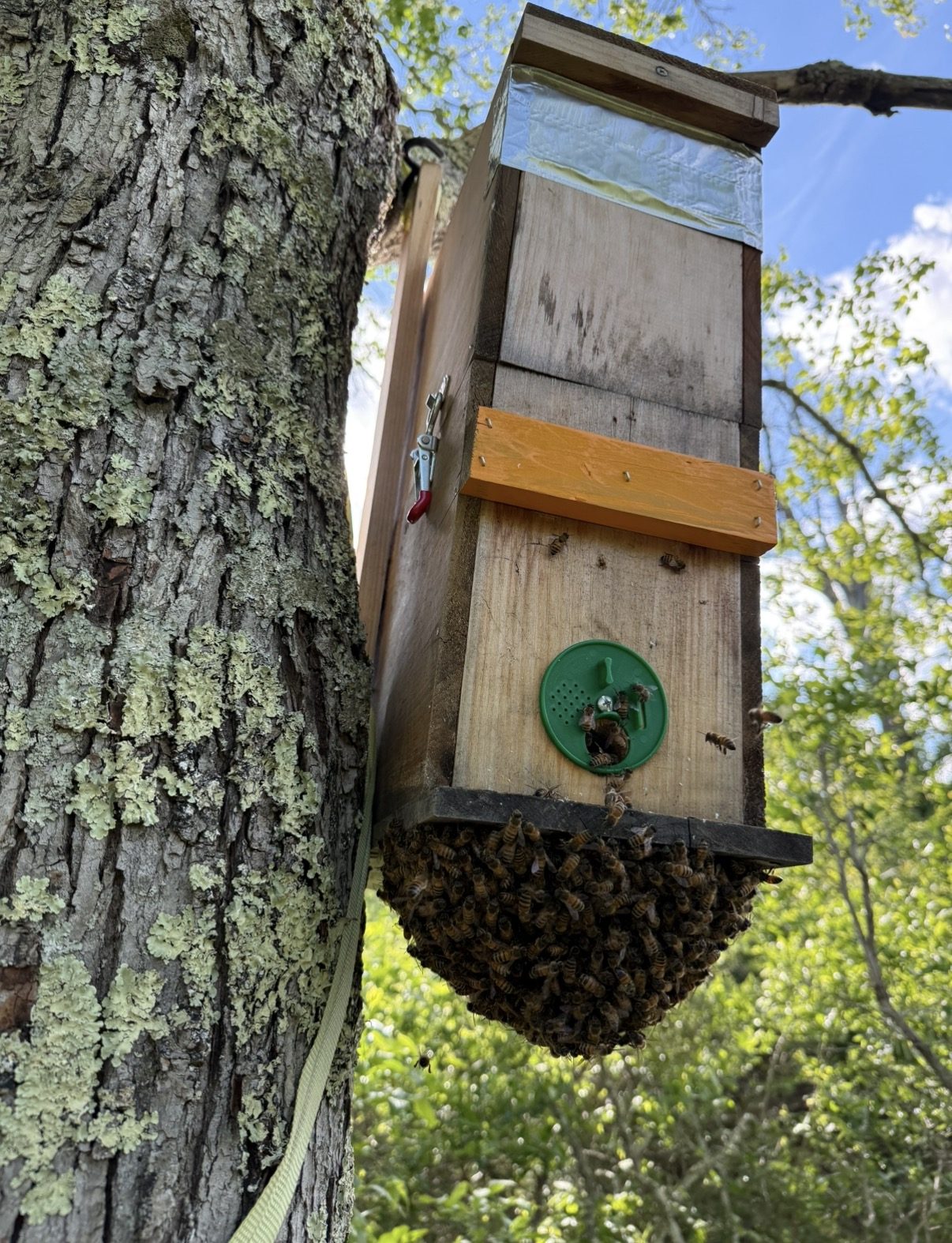
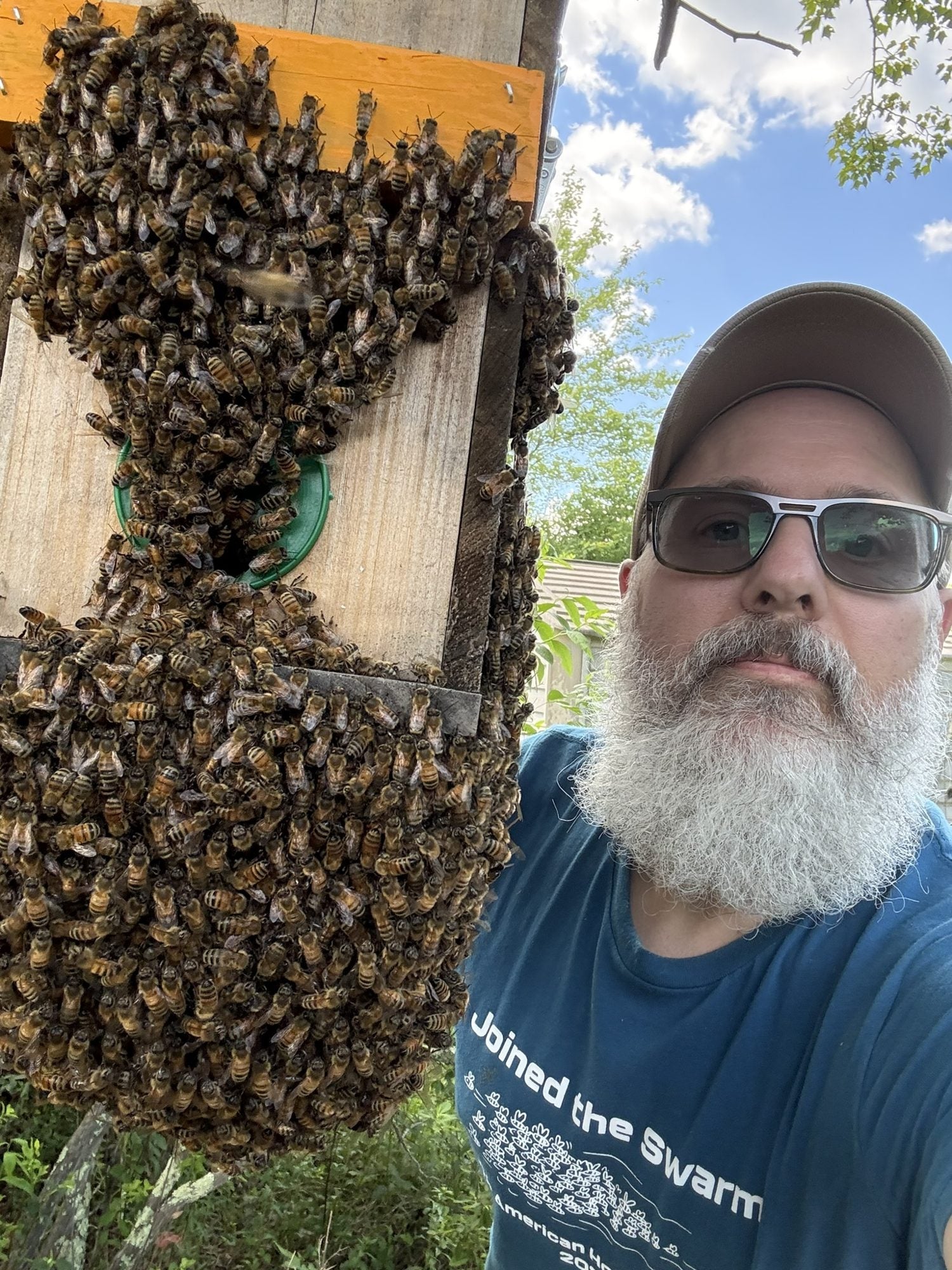
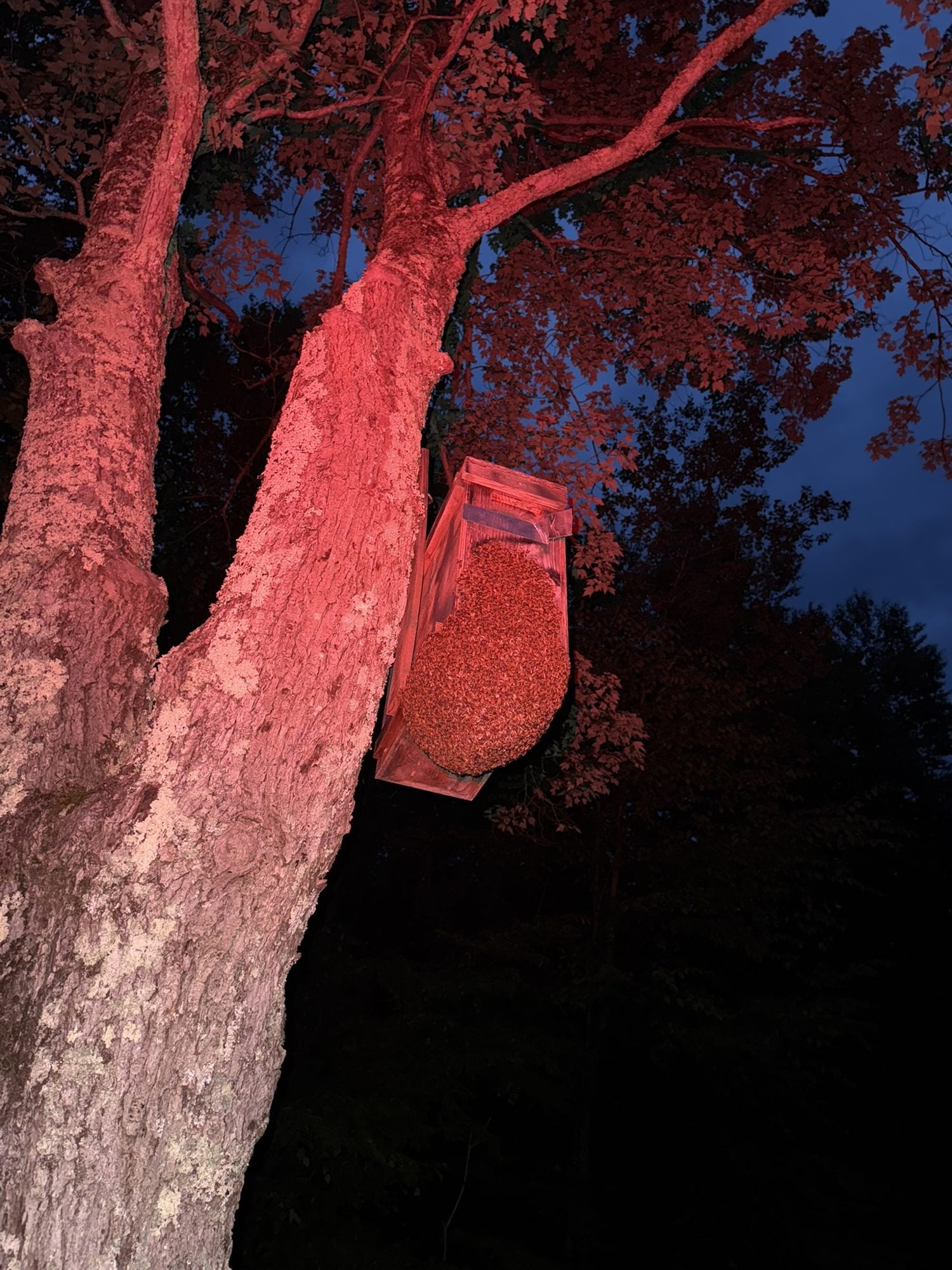
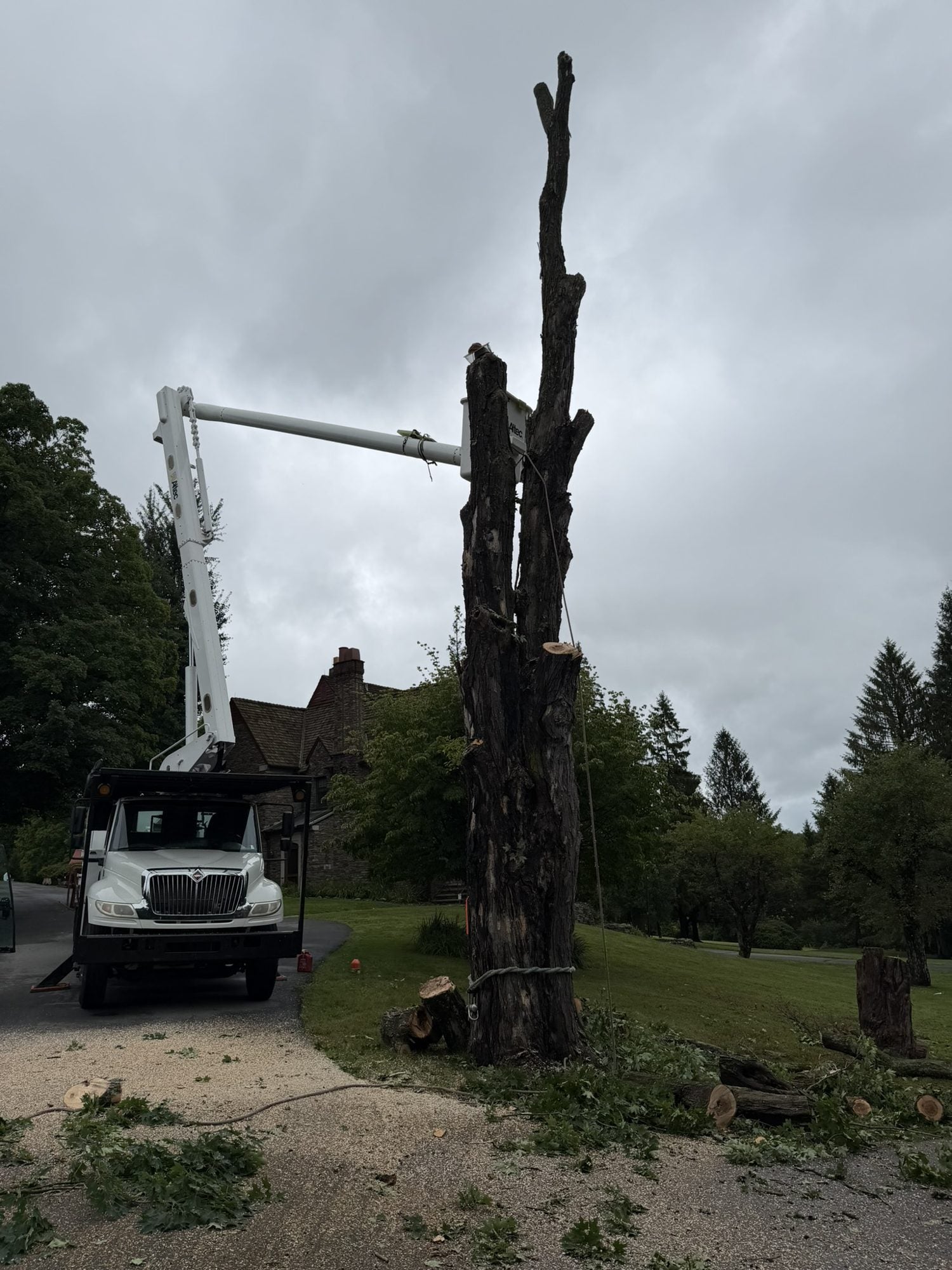
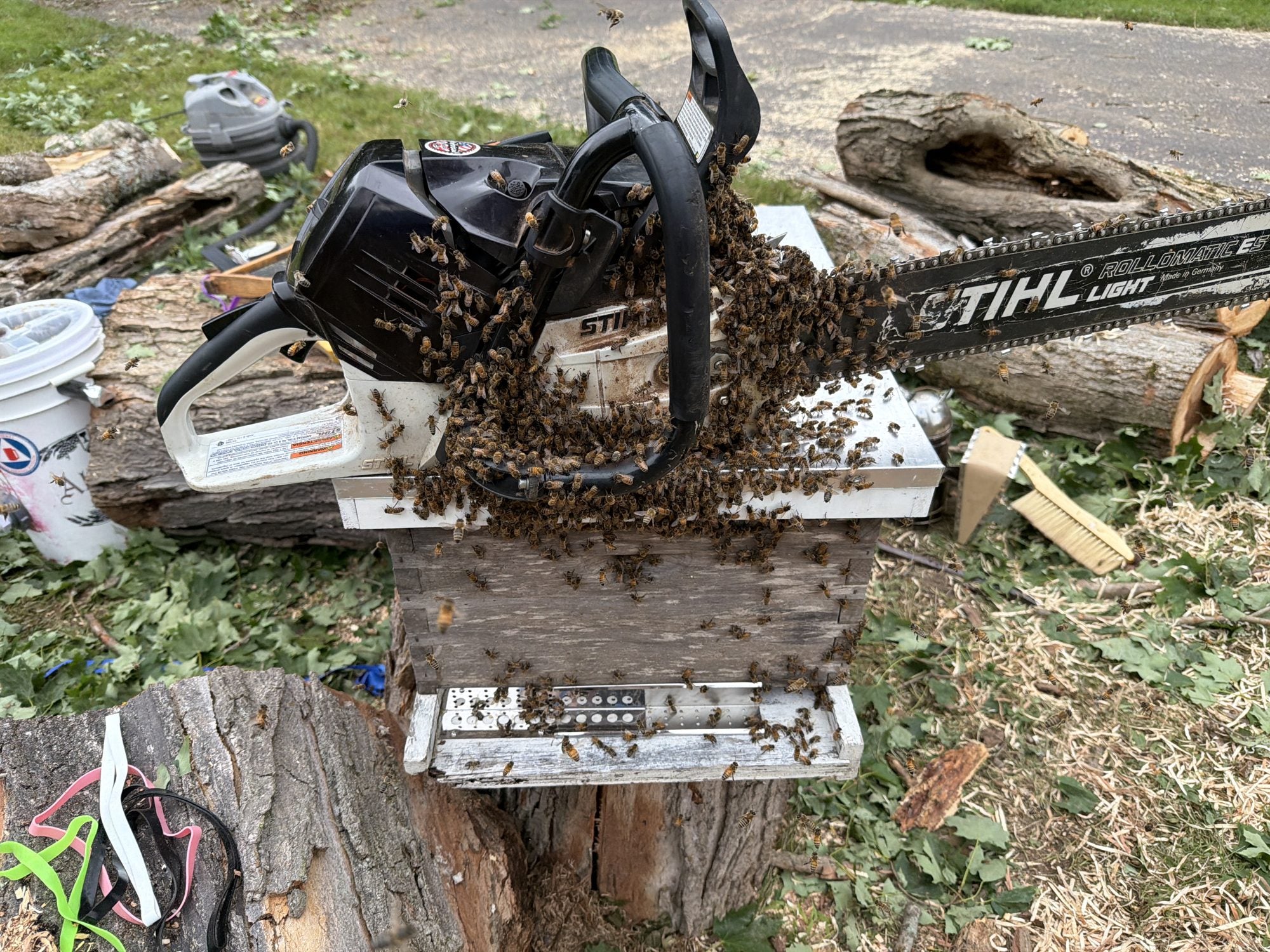
In 2026 the apiary grew from six colonies to 26, counting nucs. Packages and splits helped, but much of the growth came from bees that found me: six swarms caught on our own property, two tree rescues with Branch Managers tree service, and a cutout with John Combs at Quarry Hill Farm.
2026
Raising our own queens
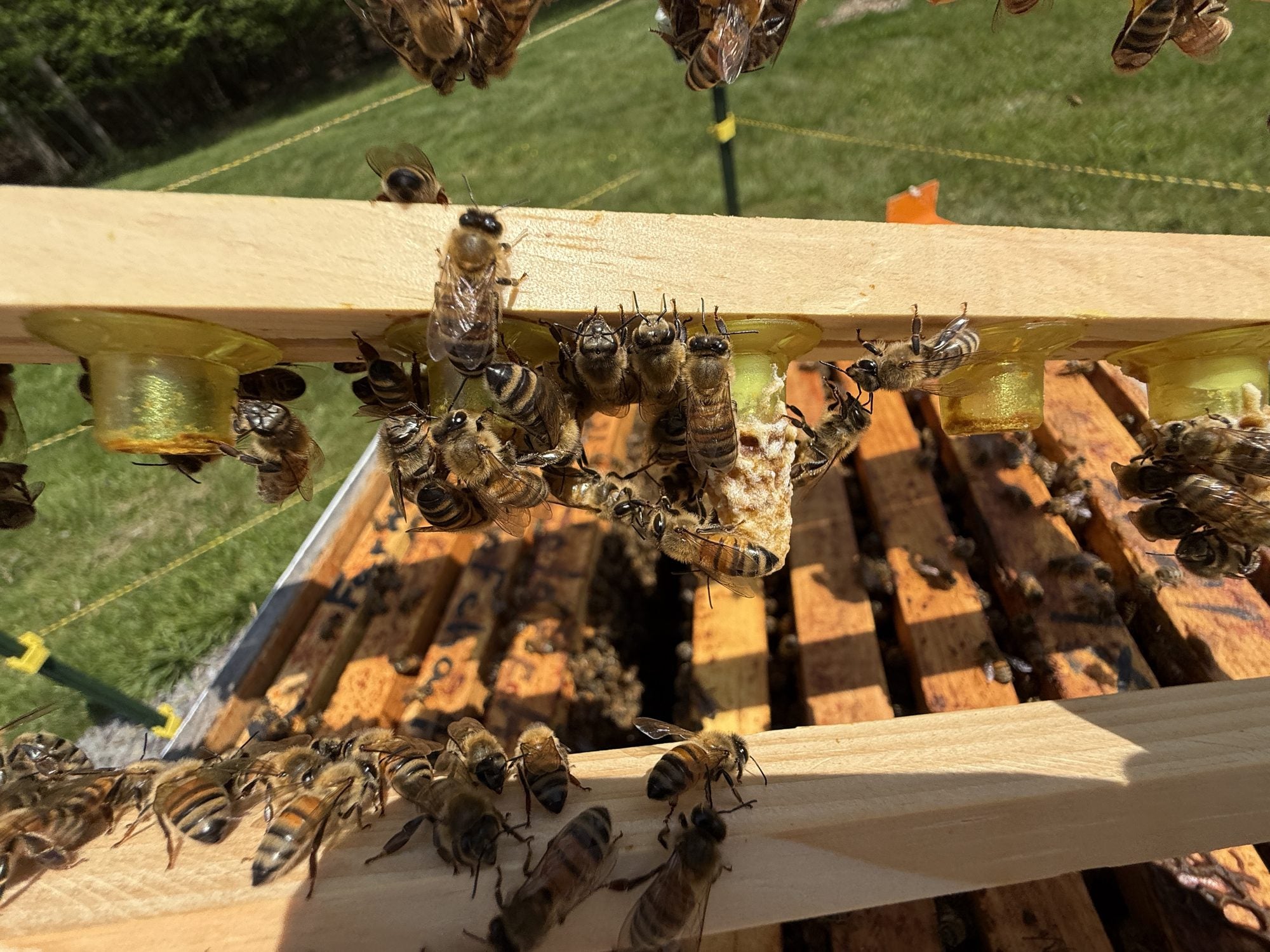
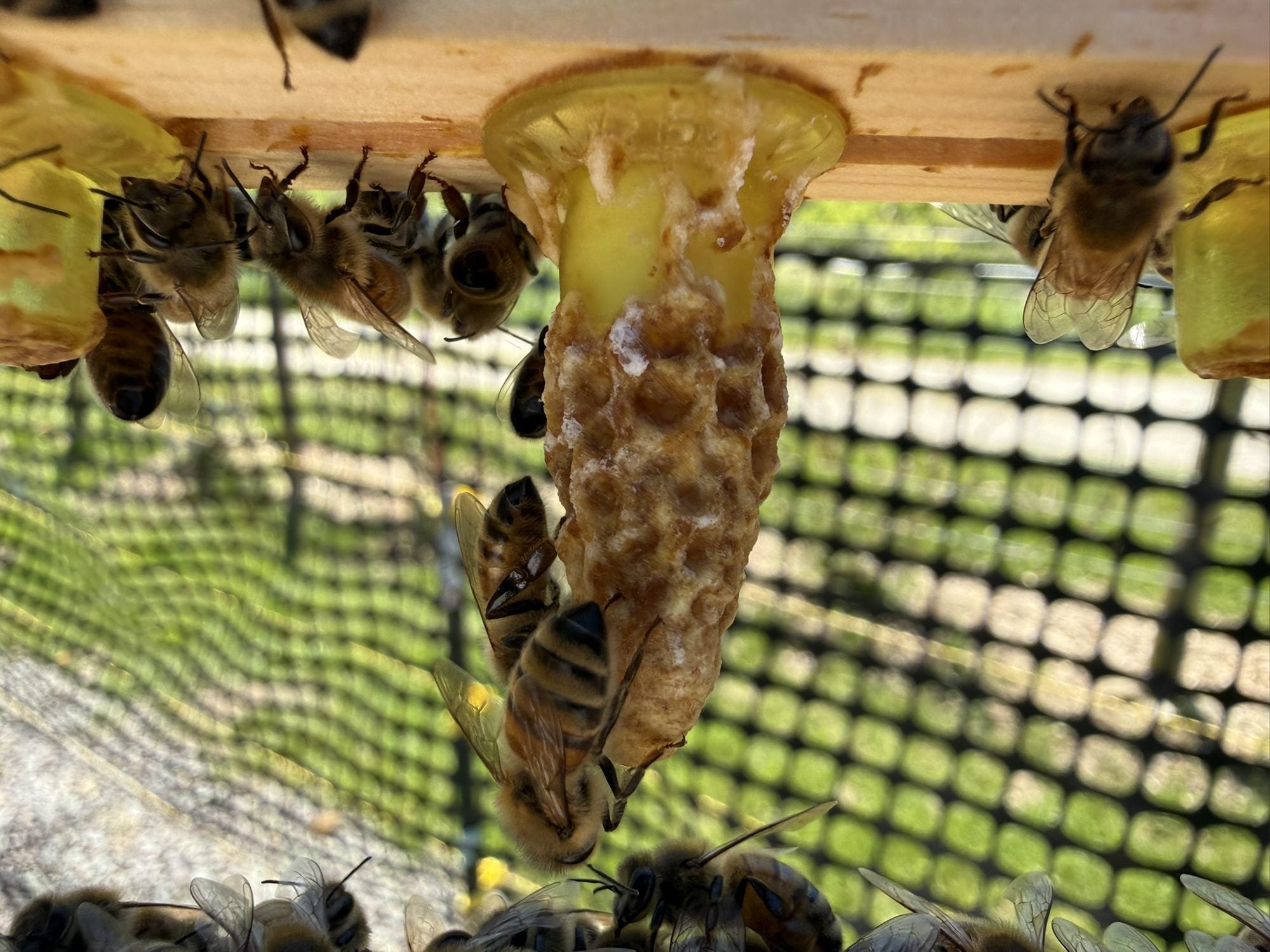
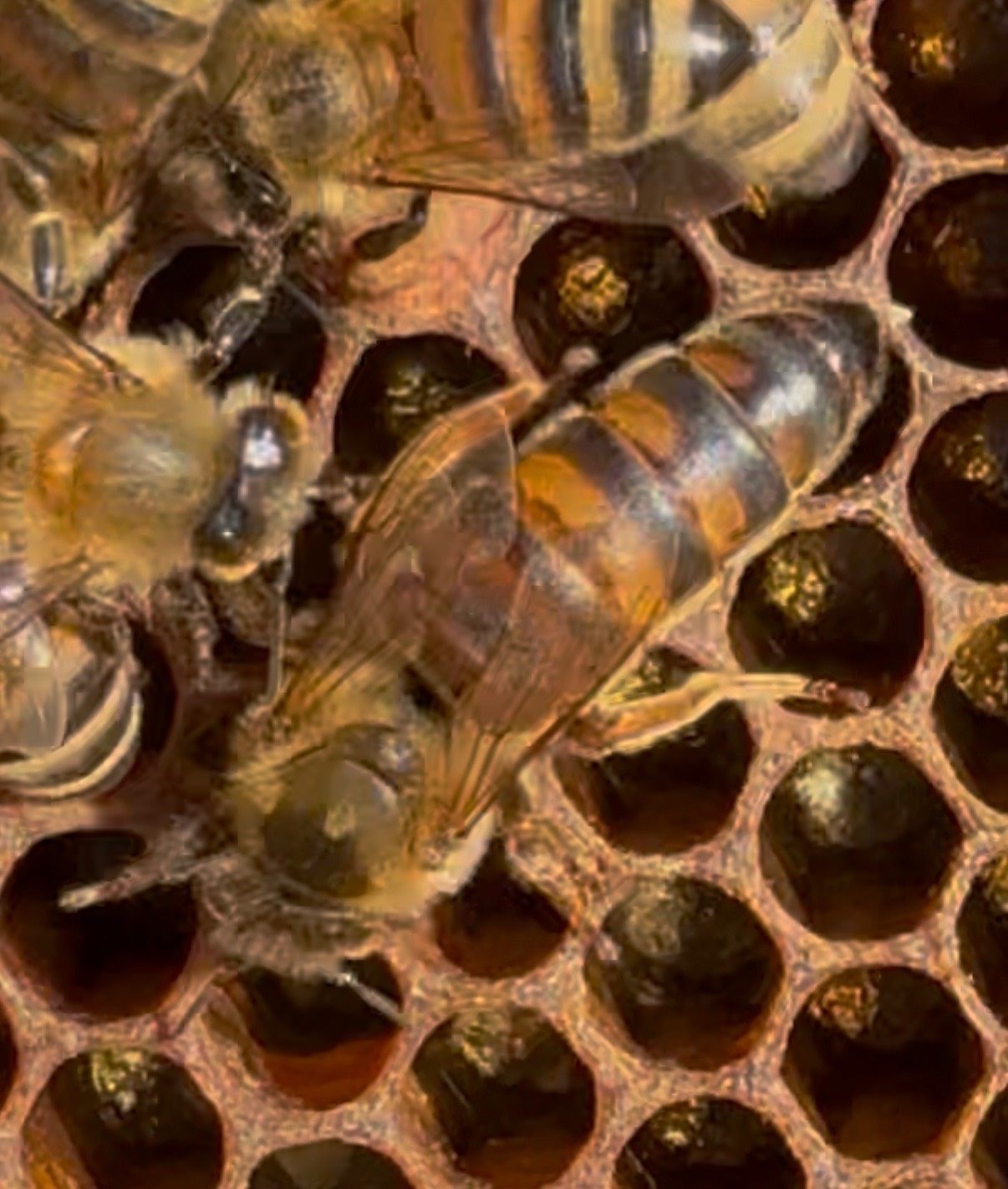
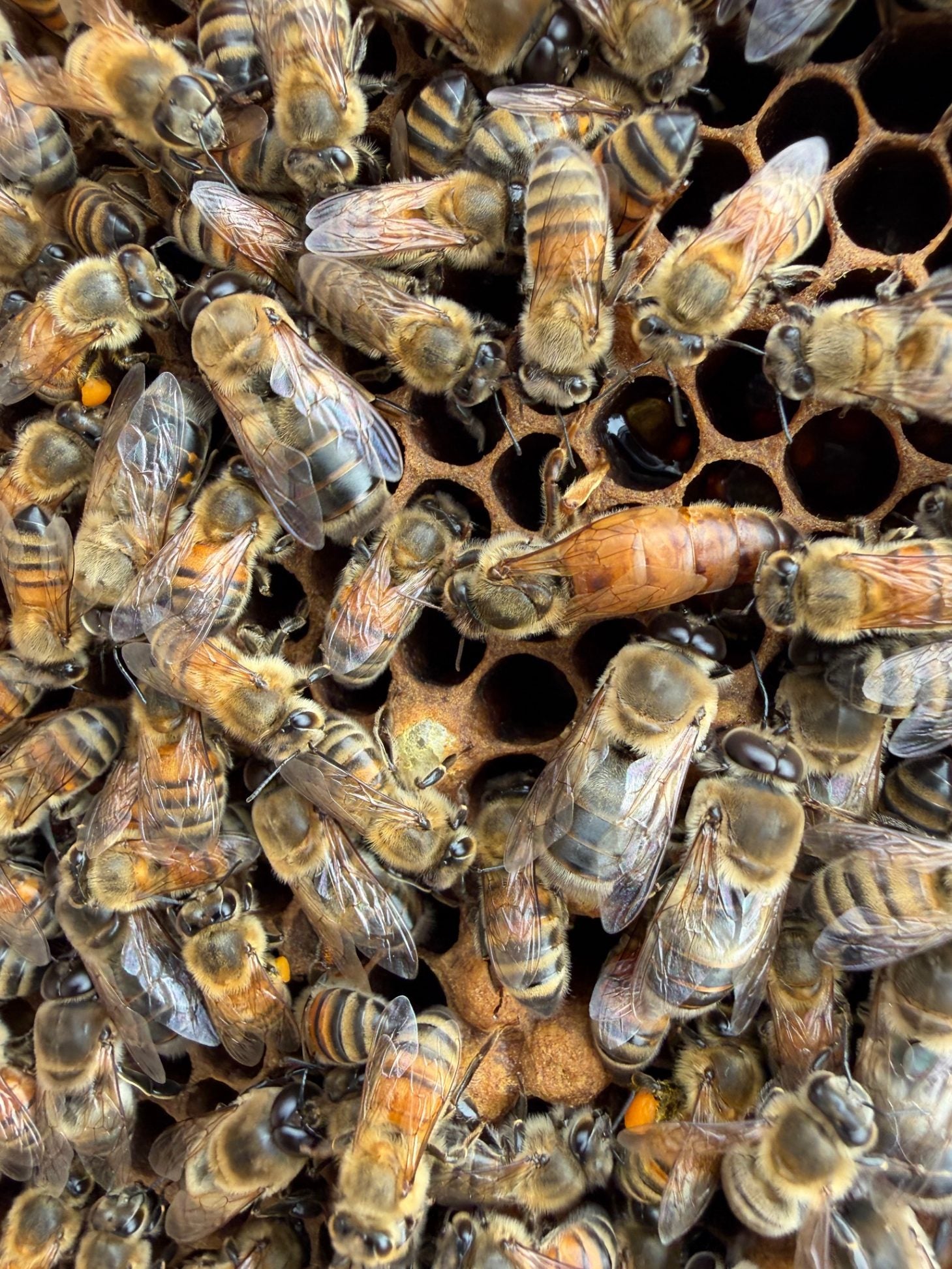
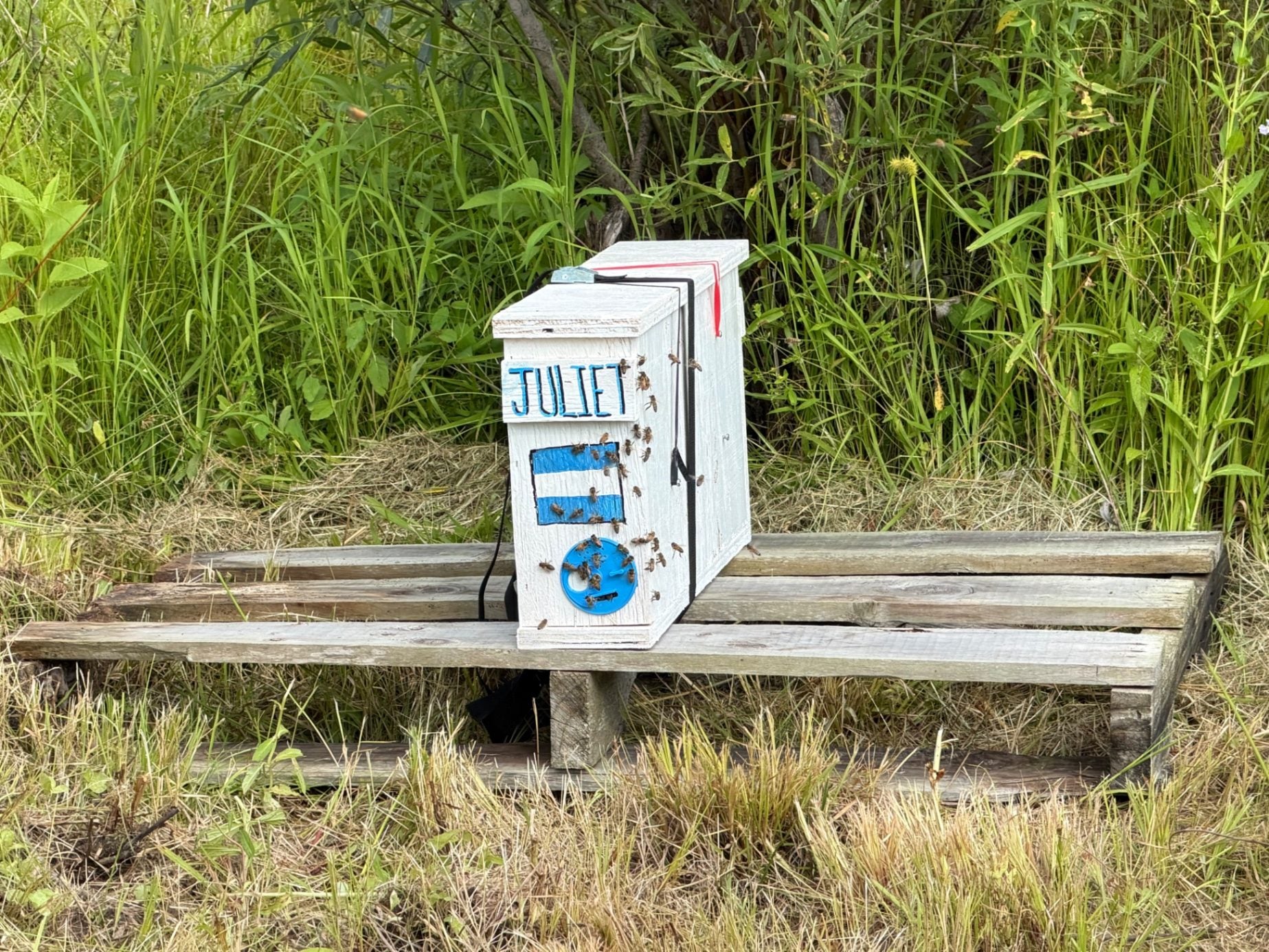
My first grafts in May taught me the mechanics. A two-day queen rearing workshop at Cornell’s Dyce Lab in July, taught with They Keep Bees, showed me how to do it well. My next round, grafted from a calm, strong colony that came from a local wild swarm, produced queens that now head eight of our colonies.


2026
Becoming a licensed business
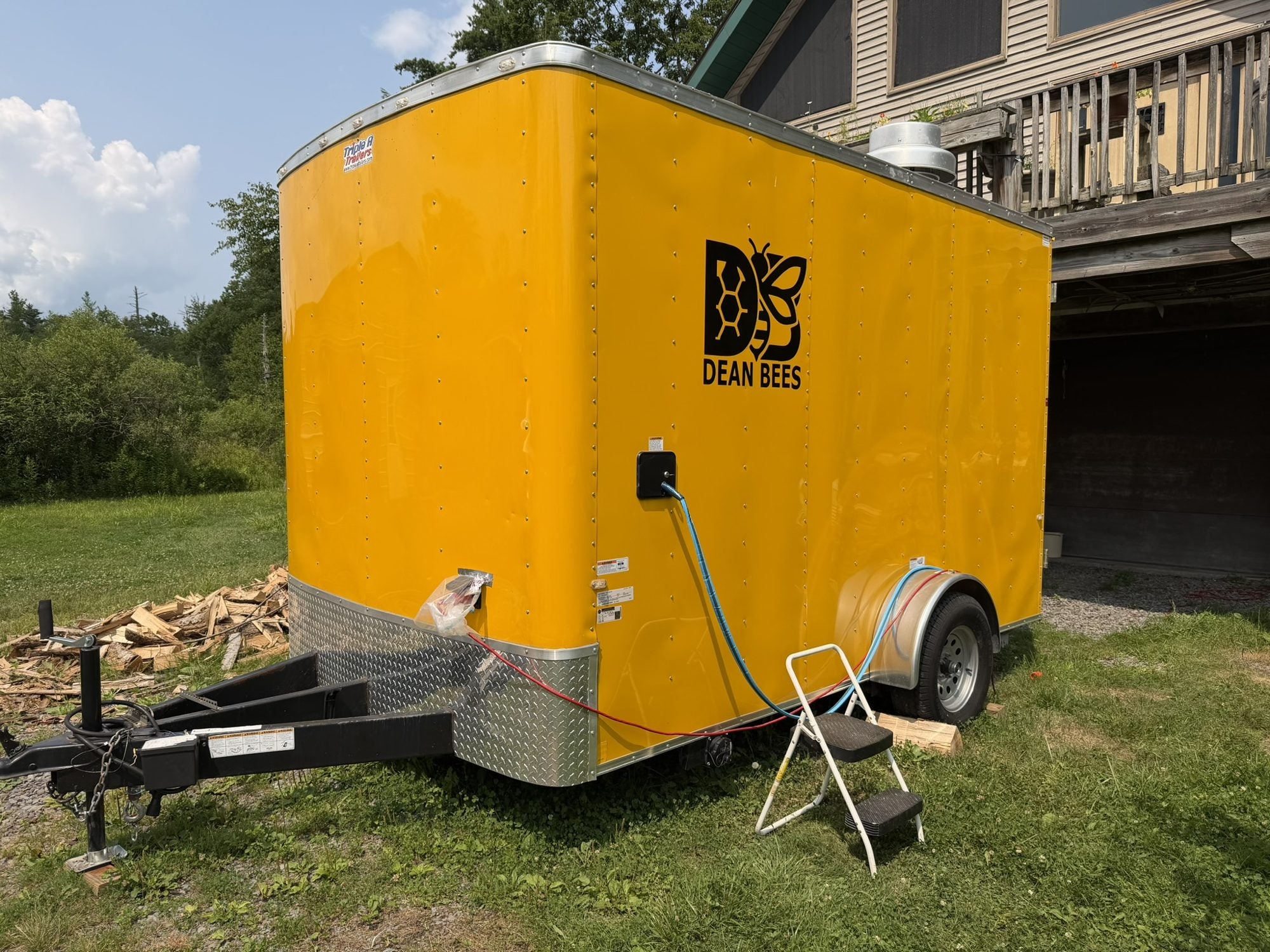
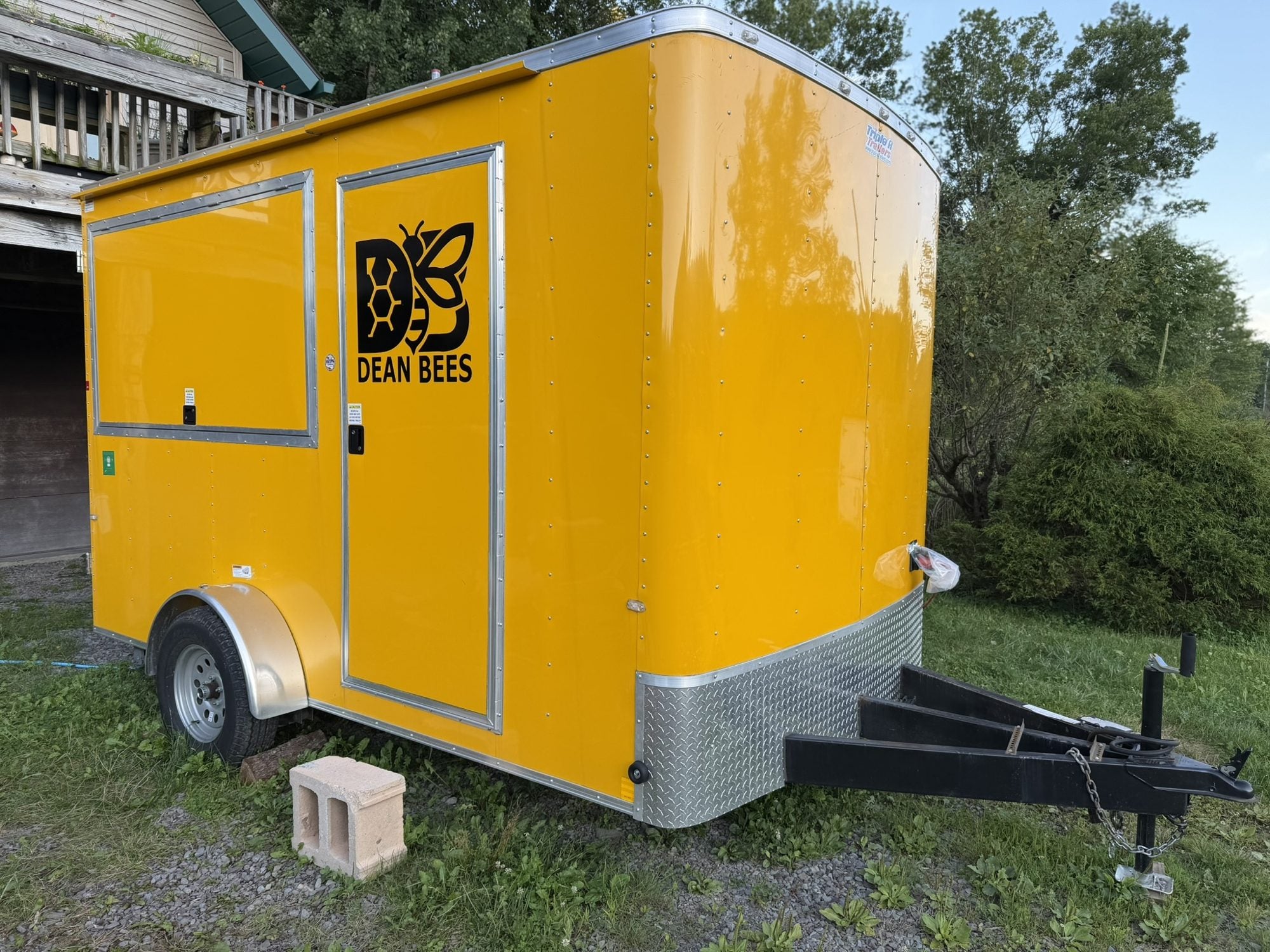
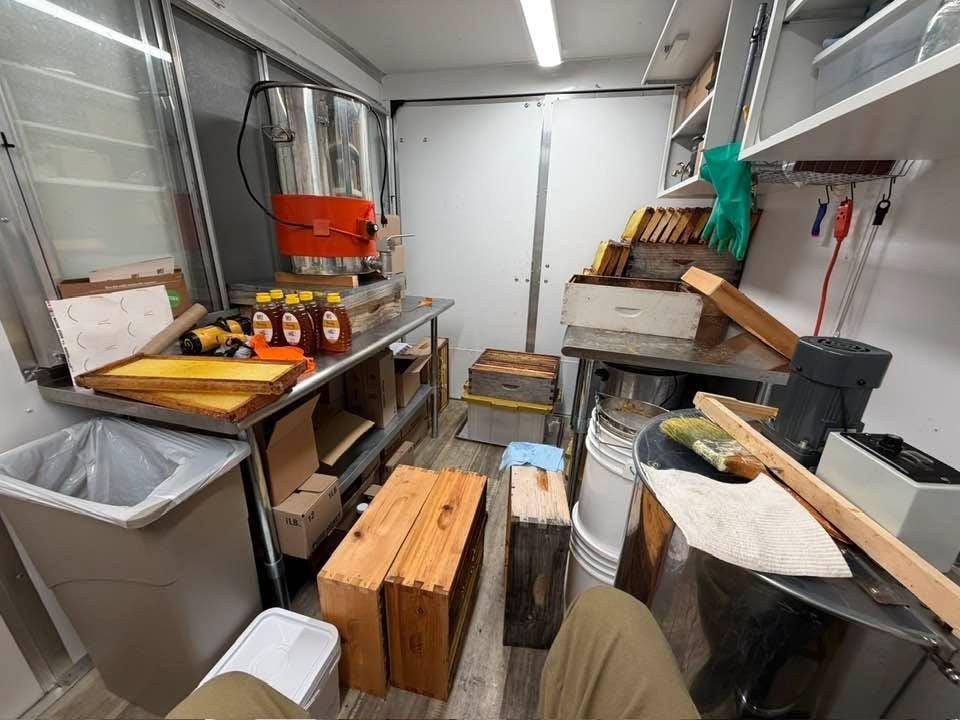
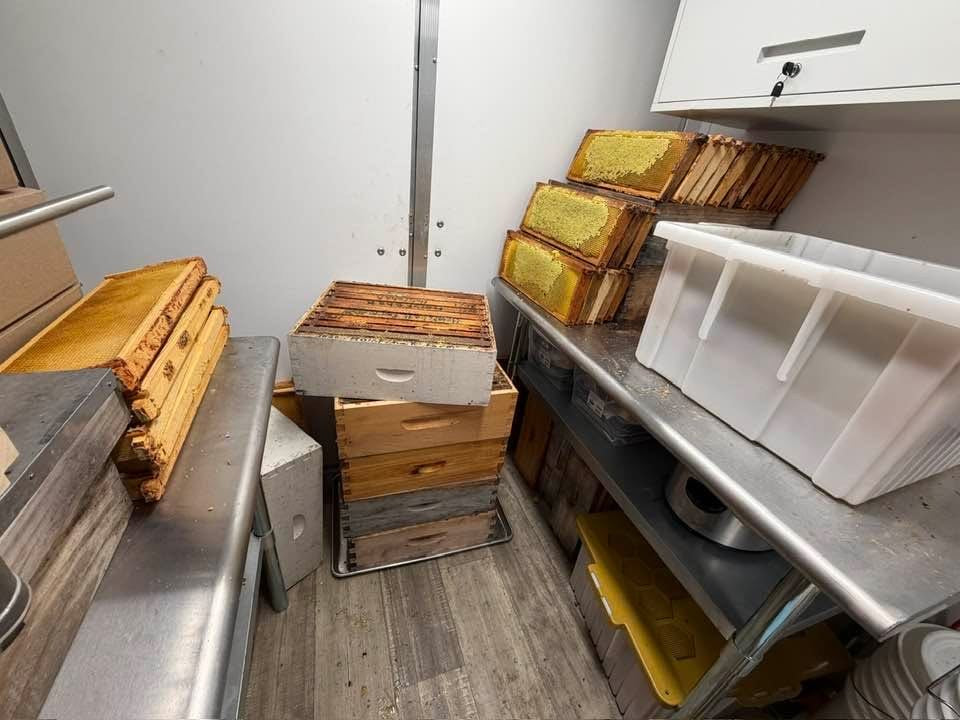
In April 2026 a state apiary inspector went through our colonies, and Dean Bees was licensed to sell queens and nucleus colonies in Pennsylvania. That summer I fitted out a food trailer as our honey house, and in August it passed its food safety inspection, so we can sell honey and value-added products such as spreadable honey and beeswax.
Summer & fall 2026
The 2026 harvest
The 2026 harvest came in two main rounds, midsummer and fall, for roughly 300 to 400 pounds of honey.
2026
Bears, for real
Planning for bears was one thing. Meeting them was another. A sow and three yearlings came through in late April, and the bears kept testing the fence all season. One even made off with a yellow jacket trap.
Fall 2026
Into the second winter
We’re heading into our second winter with 26 colonies, heavy with stores, insulated and treated for mites, and prepared with everything the first winter taught me.